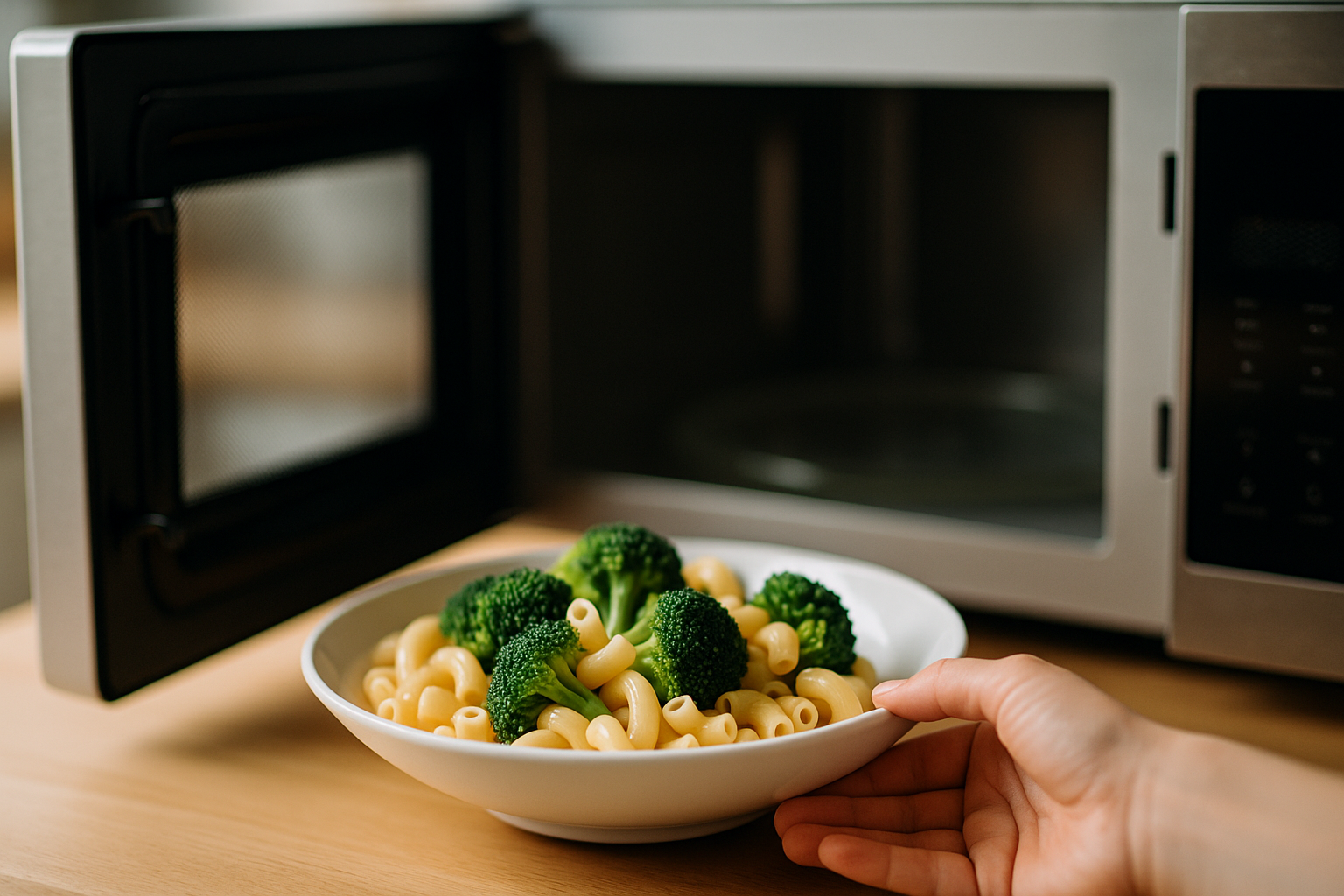
Your microwave is probably the most underestimated appliance in your kitchen. While most people use it solely for reheating leftovers and making popcorn, this workhorse is capable of preparing complete meals, cooking vegetables to perfection, and even baking. The problem isn’t the microwave itself – it’s that nobody teaches you how to use it properly. Once you understand the science behind microwave cooking and master a few essential techniques, you’ll discover a faster, more energy-efficient way to prepare food that doesn’t sacrifice flavor or nutrition.
This comprehensive guide will transform how you think about microwave cooking. Whether you’re a busy professional looking for 15-minute meals or simply want to expand your cooking repertoire, mastering your microwave opens up possibilities that go far beyond reheating yesterday’s dinner.
Understanding How Microwaves Actually Work
Before you can become a microwave cooking expert, you need to understand what’s happening inside that box. Microwaves cook food using electromagnetic radiation at a frequency of about 2.45 gigahertz. These waves cause water molecules in your food to vibrate rapidly, creating friction that generates heat from the inside out.
This is fundamentally different from conventional cooking methods. Your oven heats food from the outside in through conduction and convection, while microwaves penetrate the food and heat it throughout. This explains why microwaved food cooks so much faster – the heat doesn’t need to slowly work its way to the center.
However, this unique heating method also explains some common microwave frustrations. The uneven heating you experience happens because microwaves don’t distribute uniformly throughout the cooking chamber. They create hot spots and cold spots, which is why your food might be scalding hot on the edges and ice-cold in the middle. Understanding this principle is your first step toward better microwave cooking results.
Essential Microwave Cooking Techniques
According to food experts on microwave cooking fundamentals, mastering a few core techniques will dramatically improve your results. These aren’t complicated skills – they’re simple adjustments that work with your microwave’s heating patterns instead of against them.
The Art of Arrangement
How you arrange food on your microwave plate makes an enormous difference in cooking quality. Always place thicker, denser portions toward the outside edge of the plate where microwave energy is strongest. The center of your turntable receives less microwave energy, making it ideal for delicate items or areas that cook quickly.
When cooking multiple items, arrange them in a ring pattern rather than piling them in the center. This circular arrangement ensures each piece receives equal exposure to microwave energy as the turntable rotates. Leave the center empty – counterintuitive as it seems, food placed in the dead center often cooks unevenly.
Power Level Mastery
Stop cooking everything on high power. Your microwave’s power settings aren’t just about speed – they’re about control. Lower power settings cycle the magnetron on and off, giving heat time to distribute evenly throughout the food. This prevents the edges from overcooking while the center remains cold.
For delicate tasks like melting chocolate or butter, use 50% power. For reheating dense foods like casseroles, 70% power produces better results than full blast. Only use 100% power for boiling water or cooking foods with high water content like fresh vegetables. Consumer testing research confirms that adjusting power levels is the single most important technique for quality microwave cooking.
The Critical Importance of Stirring and Rotating
Even with a turntable, your food needs help achieving uniform temperature. Pause cooking at least once halfway through to stir or flip your food. This redistributes hot spots and ensures even cooking. For foods that can’t be stirred, like a baked potato or chicken breast, rotate the dish 180 degrees during cooking.
Many recipes tell you to let food stand for a few minutes after microwaving. This isn’t optional advice – it’s essential. During standing time, heat continues to distribute throughout the food through conduction, finishing the cooking process and evening out temperature differences. Skipping this step is why your food often seems unevenly cooked.
Choosing the Right Containers and Covers
Not all containers are created equal in microwave cooking. The wrong choice can lead to melted plastic, cracked dishes, or unevenly cooked food. The right container enhances cooking performance and safety.
Glass and ceramic containers are your best options for microwave cooking. They heat evenly, don’t leach chemicals into food, and can withstand high temperatures. Avoid containers with metallic trim, which can cause sparking and damage your microwave. Look for dishes labeled “microwave-safe,” but understand this only means they won’t melt or crack – it doesn’t necessarily mean they’re optimal for cooking.
Plastic containers marked microwave-safe are acceptable for reheating, but use glass for actual cooking, especially with fatty or sugary foods that reach higher temperatures. Even microwave-safe plastic can warp or degrade when exposed to very hot food.
Covering Strategies That Work
Covering food during microwave cooking serves multiple purposes. It traps steam to cook food more evenly, prevents splatters, and keeps food moist. However, the type of cover matters significantly.
Microwave-safe lids or plates work well for most applications. For steaming vegetables or fish, cover tightly to trap maximum moisture. For reheating, leave a small vent to release excess steam and prevent sogginess. Paper towels absorb excess moisture and work beautifully for foods you want to keep crisp, like bacon or bread.
Never use plastic wrap that touches food during cooking unless it’s specifically designed for microwave use. Regular plastic wrap can melt when it contacts hot food or steam. If you must use plastic wrap, leave one corner unsealed to vent steam and ensure it doesn’t touch the food surface.
Microwave Cooking for Different Food Categories
Each food type requires specific techniques for optimal microwave cooking. What works for vegetables fails miserably for proteins, and reheating demands different strategies than cooking from scratch.
Vegetables Done Right
Microwaving vegetables is one of the appliance’s greatest strengths. Because cooking time is minimal and you use very little water, vegetables retain more nutrients than when boiled. The key is adding just enough water to create steam without drowning the vegetables.
Place vegetables in a microwave-safe dish with two tablespoons of water per cup of vegetables. Cover tightly and cook on high power, checking every minute for tenderness. Most vegetables need only 3-5 minutes. Broccoli, cauliflower, and green beans cook beautifully this way, emerging bright, crisp-tender, and full of flavor.
Root vegetables like potatoes and sweet potatoes excel in the microwave. Pierce them several times with a fork, place them on a microwave-safe plate, and cook on high for 5-7 minutes per potato, turning halfway through. The skin won’t crisp like in the oven, but the inside cooks perfectly fluffy in a fraction of the time.
Proteins and Main Dishes
Cooking proteins in the microwave requires more finesse than vegetables. Fish and chicken can turn out wonderfully if you respect their delicate nature and use appropriate power levels. As detailed in comprehensive guides to microwave meal preparation, the secret is cooking at reduced power with careful monitoring.
Fish fillets cook exceptionally well in the microwave. Place them in a single layer, thicker portions toward the outside, and cook at 70% power for 3-4 minutes per pound. Cover with parchment paper to keep moisture in while preventing steam buildup. The fish should flake easily when done.
Chicken requires even more attention. Cook boneless chicken breasts at 50% power, checking internal temperature frequently with a meat thermometer. The goal is 165°F in the thickest part. Cooking slower at reduced power prevents the rubbery texture that gives microwave chicken a bad reputation.
Grains and Starches
Rice, quinoa, and other grains cook surprisingly well in the microwave with proper technique. Combine one cup of rice with two cups of water in a large microwave-safe bowl – use a bowl at least four times the volume of uncooked rice to prevent boilovers. Cover and cook on high for 10 minutes, then reduce to 50% power for another 10 minutes.
The microwave excels at reheating rice and pasta without drying them out. Add a tablespoon of water, cover loosely, and heat at 70% power in one-minute intervals, stirring between each interval. This gentle reheating restores moisture and texture without creating gummy or dried-out results.
Advanced Microwave Cooking Strategies
Once you’ve mastered the basics, these advanced techniques will expand your microwave cooking possibilities even further. For those interested in exploring meal prep strategies for busy schedules, the microwave becomes an invaluable tool for efficient cooking.
Microwave Baking Basics
Yes, you can bake in a microwave, though the results differ from conventional ovens. Microwave baked goods won’t develop the golden crust you get from dry oven heat, but they cook in minutes instead of hours. Mug cakes have popularized this technique, but you can also make brownies, cornbread, and quick breads.
The key to microwave baking is using recipes specifically developed for microwave cooking. Conventional baking recipes don’t translate well because they rely on dry heat to set structure and create texture. Microwave baking recipes typically use less leavening and more moisture to compensate for the different heating method.
Cook baked goods at 50-70% power to prevent the edges from toughening before the center sets. Check doneness by inserting a toothpick in the center – it should come out clean or with just a few moist crumbs. Remember that microwave baked goods continue cooking during standing time, so slightly underdone is better than overdone.
Combination Cooking for Best Results
Sometimes the best approach combines microwave cooking with conventional methods. This hybrid technique leverages the microwave’s speed while finishing with traditional methods for texture and flavor.
Partially cook potatoes in the microwave before roasting them in the oven. This cuts roasting time in half while still producing crispy exteriors. Microwave whole potatoes for 5 minutes, then finish them in a hot oven for crispy skin. The same technique works for winter squash – microwave to soften, then roast for caramelized flavor.
When making quick weeknight dinners, use your microwave to steam vegetables while proteins cook on the stovetop. This parallel cooking approach maximizes efficiency without compromising quality.
Common Microwave Cooking Mistakes to Avoid
Even experienced cooks make these errors that compromise microwave cooking results. Avoiding these pitfalls will immediately improve your outcomes.
The biggest mistake is cooking everything on high power without considering the food’s density or delicacy. High power works for boiling water and steaming vegetables, but it ruins delicate proteins, causes uneven heating in dense foods, and toughens reheated items. Adjust your power level based on what you’re cooking.
Another common error is overcrowding the microwave. Stacking items or filling the cavity completely prevents proper microwave circulation and leads to uneven cooking. Cook in batches if necessary, giving each portion adequate space for microwaves to penetrate from all sides.
Failing to account for carryover cooking causes overcooked, dried-out food. Microwave cooking doesn’t stop when you press stop – heat continues distributing through conduction during standing time. Remove food when it’s slightly underdone, and let standing time finish the cooking process.
Using containers that are too small causes messy boilovers, especially with liquids and grains. Always choose a container at least twice the volume of the food you’re cooking, and three to four times larger for items that expand or bubble, like rice or oatmeal.
Maximizing Efficiency and Safety
Your microwave is one of the most energy-efficient cooking appliances in your kitchen, using about 50% less energy than a conventional oven for the same cooking task. Maximizing this efficiency while maintaining safety requires attention to a few key practices.
Keep your microwave clean, especially the interior surfaces. Food splatters absorb microwave energy, reducing cooking efficiency and potentially causing hot spots that damage the appliance. Wipe down the interior after each use, and deep clean weekly by microwaving a bowl of water with lemon slices for 3-4 minutes, then wiping surfaces clean.
Test containers before using them for the first time. Place the empty container in the microwave with a cup of water beside it. Microwave on high for one minute. If the container is hot and the water is cool, the container is absorbing microwave energy and shouldn’t be used for cooking. The container should remain cool while the water heats.
Never run your microwave empty. Without food or liquid to absorb the microwave energy, the magnetron can overheat and fail. If you’re testing cooking times with small portions, place a cup of water in the microwave alongside your food to absorb excess energy.
Pay attention to your microwave’s age and condition. If it’s more than 10 years old, consider having the door seal checked. While modern microwaves have excellent safety features, worn door seals can potentially leak small amounts of radiation. Any microwave that sparks, makes unusual noises, or has a damaged door should be replaced immediately.
Building Your Microwave Cooking Confidence
Transforming your microwave from a reheating device into a serious cooking tool requires practice and experimentation. Start with simple techniques like steaming vegetables and properly reheating leftovers. Once you’ve mastered these basics, gradually expand to more complex applications like cooking proteins and combination cooking methods.
Keep a microwave cooking journal for a few weeks. Note what power levels work best for your favorite foods, optimal cooking times, and which containers produce the best results. Your microwave’s wattage affects cooking times – a 1200-watt microwave cooks about 25% faster than a 900-watt model. Recipes usually assume 1000 watts, so adjust times accordingly for your appliance.
The microwave’s speed and efficiency make it perfect for minimal cleanup cooking strategies. Many complete meals can be prepared in a single microwave-safe bowl, eliminating pots, pans, and the associated cleanup time. This approach is especially valuable for small households or anyone living in spaces with limited cooking facilities.
Remember that microwave cooking is a skill like any other culinary technique. Your first attempts might not be perfect, but each cooking session teaches you more about how your specific microwave performs and how different foods respond to microwave energy. With consistent practice and attention to the principles outlined in this guide, you’ll discover that your microwave is capable of far more than you ever imagined. The convenience, energy efficiency, and speed it offers make it an indispensable tool for modern cooking, whether you’re preparing a quick breakfast before work or cooking a complete dinner on a busy weeknight.

Leave a Reply