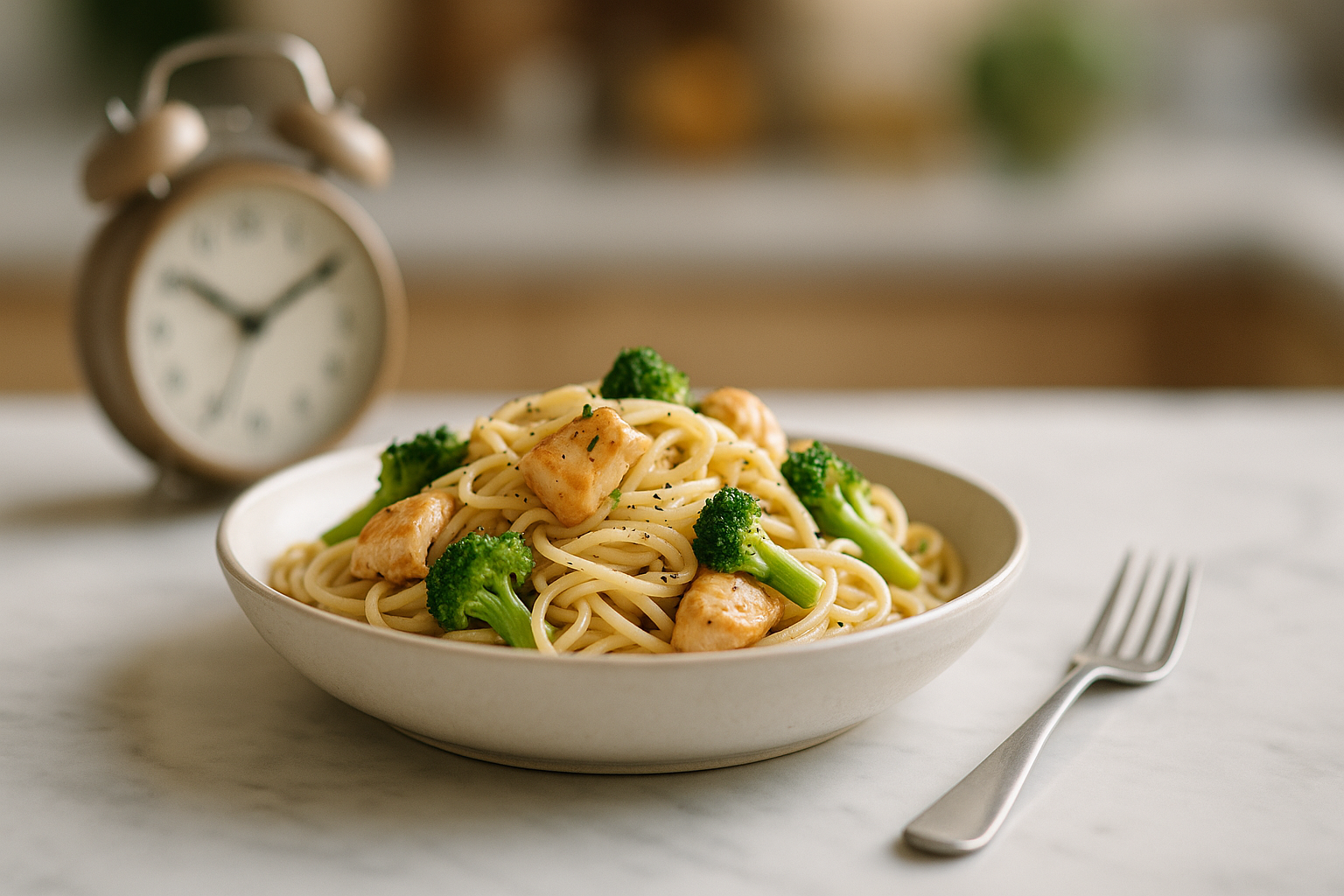
The clock hits 6 PM, you’re just walking through the door, and someone asks the dreaded question: “What’s for dinner?” Your stomach is already growling, you have zero energy to spend an hour cooking, and the takeout menus are calling your name. But here’s the reality: you don’t need hours in the kitchen to create satisfying, home-cooked meals. With the right recipes and a few smart strategies, you can have dinner on the table in just 15 minutes.
These aren’t microwave meals or sad desk lunches reheated. We’re talking about real food with actual flavor, texture, and nutrition that happens to come together faster than most delivery orders. Whether you’re cooking for yourself, a partner, or a hungry family, these techniques will transform your weeknight dinner routine from stressful scramble to streamlined success.
Why 15-Minute Meals Actually Work
The secret to lightning-fast cooking isn’t about cutting corners or sacrificing quality. It’s about understanding which techniques deliver maximum flavor with minimum time investment. High-heat cooking methods like stir-frying and pan-searing create complex flavors through caramelization in minutes. Thin cuts of protein cook through quickly while staying tender. Pre-washed greens and canned beans eliminate prep time without compromising nutrition.
The key is choosing recipes designed for speed from the ground up, not trying to rush dishes that naturally require longer cooking. A one-pot meal that simmers for 45 minutes isn’t magically faster if you turn up the heat. But shrimp that cooks in 3 minutes? Eggs that set in 5? These ingredients are built for the express lane.
According to cooking experts who specialize in quick meals, the most successful weeknight cooks keep a strategic pantry stocked with fast-cooking staples. This means having pasta that cooks in under 10 minutes, quick-cooking grains like couscous, canned tomatoes, and versatile proteins like eggs and canned tuna always on hand.
Essential Techniques for Speed Cooking
Before diving into specific recipes, master these three techniques that form the foundation of quick cooking. First, mise en place still matters, even when you’re rushing. Taking two minutes to gather and prep ingredients before you turn on the heat prevents mid-cooking scrambles and actually saves time. Measure your liquids, mince your garlic, and have everything within arm’s reach.
Second, embrace high heat when appropriate. A screaming-hot pan sears chicken cutlets in 3 minutes per side. A rolling boil cooks angel hair pasta in 4 minutes. Medium-low heat has its place, but weeknight speed cooking often requires cranking up the burner and staying attentive.
Third, layer flavors strategically. You don’t have time for complex spice blends or lengthy marinades, but you can build depth quickly. Start aromatics like garlic and ginger in hot oil for 30 seconds. Deglaze the pan with wine or broth to capture fond. Finish with fresh herbs, a squeeze of citrus, or a drizzle of good olive oil. These 30-second additions transform simple ingredients into restaurant-worthy dishes.
The Power of Parallel Cooking
The real time-saver? Doing multiple things simultaneously. While pasta boils, you can saute vegetables. While rice heats in the microwave, you can pan-fry salmon. This parallel processing cuts total cooking time dramatically. Instead of cooking components sequentially for a total of 25 minutes, you’re overlapping tasks and finishing in 15.
This approach requires thinking through your recipe before you start. Which component takes longest? Start that first. What can cook unattended? Get it going, then focus on what needs active attention. This kind of strategic kitchen planning becomes second nature after a few practice runs.
The Best Proteins for Quick Cooking
Protein choice makes or breaks a 15-minute meal. Thick chicken breasts that need 20 minutes in the oven? Not happening. But these options cook in under 10 minutes and deliver serious satisfaction.
Shrimp might be the ultimate weeknight protein. Medium shrimp cook through in 2-3 minutes per side. Buy them peeled and deveined to eliminate all prep work. Toss them with garlic, butter, and white wine for classic scampi. Stir-fry with vegetables and soy sauce. Or simply season with Old Bay and saute for tacos.
Eggs aren’t just for breakfast. A vegetable-packed frittata cooks in 12 minutes total. Fried eggs over rice with sauteed greens and a drizzle of sesame oil creates a complete meal. Scrambled eggs with cheese, salsa, and black beans wrapped in a tortilla delivers protein, fiber, and satisfaction in under 10 minutes.
Thin-cut proteins like chicken cutlets, pork chops, and fish fillets are your friends. Pound chicken breasts to half-inch thickness and they cook in 6-8 minutes total. Tilapia and sole fillets need just 3-4 minutes per side. Season simply with salt, pepper, and lemon, or dress them up with a quick pan sauce made from the drippings.
Canned fish requires zero cooking but delivers complete protein and omega-3s. Quality canned tuna mixed with white beans, cherry tomatoes, and olive oil creates a Mediterranean-inspired meal. Canned salmon stirred into pasta with capers and dill tastes fresh and sophisticated. Even sardines become delicious when tossed with spaghetti, garlic, and red pepper flakes.
15-Minute Meal Formulas That Always Work
Once you understand the patterns, you can improvise endless variations without following recipes. These formulas provide the framework, and you customize based on what’s in your fridge.
The Stir-Fry Formula
Heat oil in a wok or large skillet over high heat. Add protein, cook until done, remove to a plate. Add heartier vegetables like broccoli or bell peppers, stir-fry 2 minutes. Add quick-cooking vegetables like snap peas or bok choy, cook 1 minute. Return protein to pan, add sauce (soy sauce, rice vinegar, sesame oil, garlic, ginger), toss for 30 seconds. Serve over instant rice or rice noodles. Total time: 12 minutes.
The beauty of stir-fries is infinite customization. Use chicken, shrimp, tofu, or beef. Swap vegetables based on the season. Change the sauce profile with different combinations of soy sauce, fish sauce, oyster sauce, chili paste, or hoisin. The technique stays the same, but you’ll never eat the same meal twice.
The Pasta Formula
Start pasta water first, it’s your longest-cooking component. While it boils and cooks, prepare your sauce in a large skillet. This might be garlic and olive oil, canned tomatoes with basil, or cream with parmesan. Add protein if using, or keep it vegetarian with extra vegetables. When pasta is al dente, reserve a cup of pasta water, then drain. Toss pasta directly into the skillet with sauce, adding splashes of pasta water to create a silky consistency. Total time: 14 minutes with quick-cooking pasta shapes.
For even faster results, expert cooks recommend using thin pasta varieties like angel hair or fresh refrigerated pasta that cooks in 2-3 minutes. This gives you more time to build a flavorful sauce without rushing.
The Bowl Formula
Grain or greens as the base, protein in the middle, vegetables on the side, sauce drizzled over everything. The components can be warm or cold, cooked or raw. Use pre-cooked rice from the refrigerator section, or microwave quinoa in pouches. Top with rotisserie chicken, canned chickpeas, or fried eggs. Add whatever vegetables you have, raw cucumbers and shredded carrots work as well as roasted options. Finish with a simple sauce: tahini thinned with lemon juice, soy-ginger dressing, or even just good olive oil and salt. Total time: 10 minutes.
Strategic Pantry Staples
The difference between a 15-minute meal and a 45-minute ordeal often comes down to what’s already in your kitchen. Stock these items and you’ll always be one grocery store rotisserie chicken or bag of shrimp away from a quick dinner.
In your pantry: quick-cooking pasta shapes, instant rice or pre-cooked rice pouches, canned beans, canned tomatoes, canned coconut milk, chicken or vegetable broth, soy sauce, fish sauce, jarred curry paste, and a variety of vinegars. These shelf-stable ingredients form the backbone of countless quick meals.
In your freezer: individually frozen shrimp, peas, corn, edamame, and chopped spinach. Frozen vegetables often cook faster than fresh because they’re already prepped and partially cooked through blanching. Frozen shrimp thaws in 10 minutes under cold running water.
In your fridge: eggs, parmesan cheese, butter, lemons, garlic, ginger, and fresh herbs. These flavor-boosters transform simple ingredients into memorable meals. A dish might start with canned beans and frozen vegetables, but fresh parsley, lemon zest, and good parmesan make it taste restaurant-quality.
Real 15-Minute Meals You’ll Actually Make
Theory is helpful, but specific recipes build confidence. These five meals deliver on both speed and satisfaction, with enough variety to keep weeknight dinners interesting.
Garlic Butter Shrimp with Zucchini Noodles: Spiralize two zucchini or use pre-spiralized noodles. Heat olive oil in a large skillet, add a pound of peeled shrimp, season with salt and pepper, cook 2 minutes per side, remove to plate. Add butter, minced garlic, and red pepper flakes to the pan, cook 30 seconds. Add zucchini noodles, toss for 2 minutes until just tender. Return shrimp to pan, squeeze fresh lemon juice over everything, toss and serve. Time: 12 minutes.
Eggs in Purgatory: Heat olive oil in a skillet, add jarred marinara sauce or crushed canned tomatoes with garlic, bring to simmer. Make four wells in the sauce, crack an egg into each well. Cover and cook 5-6 minutes until eggs are set to your liking. Sprinkle with parmesan and torn basil, serve with crusty bread for dipping. Time: 13 minutes.
Thai-Inspired Coconut Curry: Saute red curry paste in oil for 1 minute. Add canned coconut milk and bring to simmer. Add pre-cooked chicken strips or raw shrimp, frozen vegetables, and a splash of fish sauce. Simmer 5-7 minutes until protein is cooked and vegetables are tender. Serve over instant rice, garnish with lime wedges and cilantro. Time: 15 minutes.
Black Bean Quesadillas: Mash canned black beans with cumin, garlic powder, and lime juice. Spread on tortillas with shredded cheese, fold in half. Cook in a dry skillet 2-3 minutes per side until golden and cheese melts. Serve with salsa, sour cream, and avocado. Add a simple side salad if you want vegetables. Time: 10 minutes.
Lemon Garlic Pasta with Arugula: Cook angel hair pasta according to package directions. While it cooks, heat olive oil in a large skillet with sliced garlic until fragrant but not browned. Add red pepper flakes and a ladleful of pasta water. When pasta is done, transfer directly to the skillet with tongs. Add lemon zest, lemon juice, and handfuls of fresh arugula. Toss until arugula wilts and pasta is coated in sauce. Top with parmesan. Time: 14 minutes.
For additional inspiration and variations on these concepts, experienced home cooks share dozens of tested quick meal ideas that follow similar principles of smart ingredient selection and efficient technique.
Making It Sustainable
The goal isn’t cooking every meal in 15 minutes for the rest of your life. That’s unrealistic and would get boring. Instead, having a solid rotation of quick meals in your repertoire removes the decision fatigue and desperation that leads to expensive, less healthy takeout.
Plan for 15-minute meals on your busiest nights. Maybe that’s every weeknight, or maybe it’s just Mondays and Thursdays when you have evening commitments. On less hectic evenings, you might enjoy spending more time on more complex international dishes or leisurely Mediterranean-style cooking.
The confidence that comes from knowing you can prepare a satisfying dinner in 15 minutes transforms your entire relationship with weeknight cooking. It stops being a source of stress and becomes a simple, manageable task. You stop ordering expensive delivery out of desperation and start actually enjoying the process of feeding yourself and your family real food.
Start with one or two of these formulas that appeal to you most. Practice them until they become automatic. Then add another formula or two to your rotation. Before long, you’ll find yourself improvising variations without thinking, throwing together delicious dinners in the time it takes to scroll through a delivery app. Your future self, standing in the kitchen at 6:15 PM with a home-cooked meal already plated, will thank you.
Leave a Reply