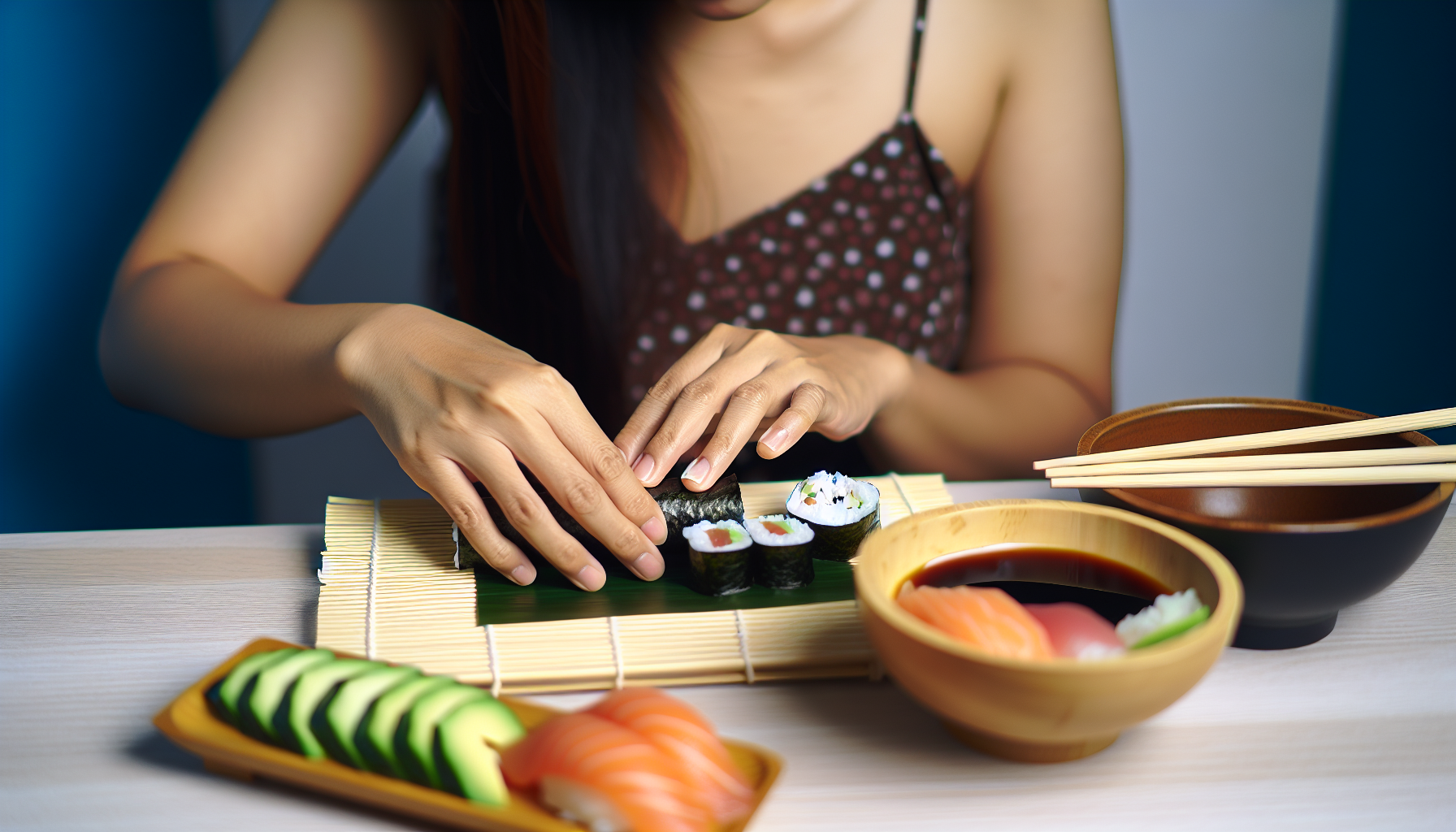
There’s something magical about sushi night at home—the fresh ingredients, the creative freedom, and that satisfying moment when you slice into a perfectly rolled maki. But if you’ve ever watched your homemade sushi fall apart on the plate or struggled with rice sticking to everything except the nori, you’re not alone. The good news? Rolling sushi like a pro is far easier than it looks once you understand a few key techniques.
Whether you’re planning a fun dinner party or just want to master a new culinary skill, this guide will walk you through everything you need to create restaurant-quality sushi rolls in your own kitchen. No culinary degree required—just a willingness to learn and experiment.
Essential Tools and Ingredients
Before you start rolling, having the right equipment and ingredients makes all the difference. You don’t need a professional sushi kitchen, but a few key items will set you up for success.
Must-Have Tools
- Bamboo rolling mat (makisu): This inexpensive tool is essential for shaping tight, even rolls. Wrap it in plastic wrap to prevent rice from sticking in the cracks.
- Sharp knife: A clean, sharp blade is crucial for cutting rolls without squashing them. Wipe it with a damp cloth between cuts.
- Rice cooker or heavy-bottomed pot: Perfectly cooked rice is non-negotiable for good sushi.
- Wooden paddle or spatula: For mixing rice with vinegar seasoning without crushing the grains.
- Small bowl of water: Keep your hands damp to prevent rice from sticking.
Key Ingredients
- Sushi rice (short-grain Japanese rice): Regular long-grain rice won’t work—you need the sticky texture of short-grain varieties.
- Rice vinegar, sugar, and salt: This mixture seasons the rice and gives it that authentic flavor.
- Nori sheets: These dried seaweed sheets come in standard sizes and should be crisp, not soggy.
- Fresh fillings: Fish, vegetables, avocado, cucumber, cream cheese—choose high-quality ingredients you love.
- Soy sauce, wasabi, and pickled ginger: Traditional accompaniments that complete the experience.
Perfecting Your Sushi Rice
The foundation of any great sushi roll is properly prepared rice. Many beginners focus on rolling technique while overlooking this critical step. Master your rice, and you’re already halfway to sushi success.
Cooking the Rice
Start by rinsing your sushi rice thoroughly under cold water until the water runs clear. This removes excess starch that would make your rice gummy rather than pleasantly sticky. Use a ratio of one cup rice to one and one-quarter cups water, and let it rest for thirty minutes before cooking if time allows.
Cook the rice according to your rice cooker instructions, or bring it to a boil in a covered pot, then reduce to the lowest heat for fifteen minutes. Let it sit off the heat for another ten minutes without lifting the lid—patience here pays off.
Seasoning Your Rice
While the rice cooks, prepare your seasoning mixture. For every two cups of uncooked rice, combine three tablespoons rice vinegar, two tablespoons sugar, and one teaspoon salt in a small saucepan. Warm it gently until the sugar dissolves, but don’t let it boil.
Transfer your cooked rice to a wide, shallow bowl—traditionally a wooden hangiri, but any large bowl works. Drizzle the vinegar mixture over the rice and use a wooden paddle to fold it in with a cutting motion. Don’t stir or you’ll break the grains. Fan the rice as you work to cool it quickly and give it a glossy sheen. Your rice should be slightly warm or at room temperature when you start rolling.
Preparing Your Fillings
The beauty of homemade sushi is customizing your fillings exactly how you like them. Keep a few principles in mind for the best results.
Cut all ingredients into long, thin strips about a quarter-inch thick. This ensures even distribution and makes rolling easier. If you’re using raw fish, make sure it’s sushi-grade and kept properly chilled. Popular beginner-friendly options include cucumber, avocado, cooked shrimp, imitation crab, smoked salmon, and cream cheese.
For vegetarian rolls, try combinations like cucumber and avocado, sweet potato tempura with cream cheese, or pickled vegetables with tofu. The key is balancing textures and flavors—creamy with crunchy, mild with bold.
Rolling Techniques Step-by-Step
Now for the main event. Take your time with your first few rolls—speed comes with practice, but technique matters most.
The Classic Inside-Out Roll (Uramaki)
- Place your bamboo mat on a clean, dry surface with the slats running horizontally.
- Put a sheet of nori on the mat, shiny side down.
- Wet your hands and grab a handful of rice—about three-quarters of a cup.
- Spread the rice evenly across the entire nori sheet, leaving a half-inch strip bare at the top edge.
- Press gently to create an even layer about a quarter-inch thick. Don’t pack it down too hard.
- Arrange your fillings in a horizontal line about one inch from the bottom edge. Don’t overfill—two or three ingredients is plenty.
- Using the mat, lift the bottom edge and fold it over the fillings, tucking them in tightly.
- Roll forward firmly but gently, using the mat to shape the roll. Pause before reaching the bare strip of nori.
- Moisten the bare strip with a little water, then complete the roll to seal it.
- Gently squeeze the mat around the roll to shape it into a tight cylinder or square.
The Traditional Roll (Hosomaki)
For a simpler approach, try traditional nori-outside rolls. Cut your nori sheet in half. Place it on the mat with the rough side up. Spread a thin layer of rice across the bottom two-thirds of the nori, leaving the top third bare. Place a single filling ingredient in a line across the center of the rice. Roll using the same lifting and tucking motion, using the bare nori to seal the roll.
The Inside-Out Roll (Uramaki)
Once you’re comfortable with basic rolls, try this popular style where rice is on the outside. Cover your bamboo mat completely with plastic wrap. Place nori on the mat and spread rice across the entire sheet. Flip the whole thing over so the rice is against the plastic and the nori faces up. Add fillings to the nori and roll as usual. The rice will be on the outside, perfect for coating with sesame seeds or tobiko.
Cutting Your Rolls Like a Pro
A beautifully rolled sushi can be ruined by poor cutting technique. Here’s how to get clean, Instagram-worthy slices every time.
Use a very sharp knife—a dull blade will squash your roll. Wet the blade with a damp cloth before each cut. Position the roll seam-side down on your cutting board. Cut the roll in half with one smooth, gentle sawing motion. Don’t press down hard. Line up the two halves and cut each into three or four pieces, wiping your blade between cuts.
If the rice sticks to your knife or the roll compresses, your blade isn’t wet enough or sharp enough. If the roll falls apart, it may not have been rolled tightly enough or the rice might be too wet.
Common Mistakes and How to Avoid Them
Even with good instructions, certain pitfalls catch most beginners. Here’s what to watch out for.
- Overfilling: The most common mistake. When in doubt, use less filling. A slimmer roll is easier to manage and looks more professional.
- Rice too wet or too dry: Sticky but not soggy is the goal. If your rice is mushy, you used too much water. If it won’t stick together, you need more vinegar seasoning.
- Not wetting your hands: Rice will stick to dry hands instantly. Keep a small bowl of water nearby and dampen your hands frequently.
- Rolling too loosely: A loose roll will fall apart when you cut it. Use firm, consistent pressure with the mat to create a tight cylinder.
- Warm rice: Rice that’s too hot will make the nori soggy. Let it cool to room temperature or slightly warm before rolling.
Creative Roll Ideas for Sushi Night
Once you’ve mastered the basics, experiment with these crowd-pleasing combinations.
The California Roll
Imitation crab, avocado, and cucumber wrapped inside-out style with sesame seeds on the outside. Perfect for beginners and picky eaters.
Spicy Tuna Roll
Mix sushi-grade tuna with a little mayonnaise and sriracha, then roll with cucumber. Top with spicy mayo for extra kick.
Philadelphia Roll
Smoked salmon, cream cheese, and cucumber create a rich, satisfying roll that doesn’t require raw fish.
Vegetable Rainbow Roll
Fill with avocado and cucumber, then top the outside with thin slices of different colored bell peppers arranged in a rainbow pattern.
Tempura Shrimp Roll
Crispy tempura shrimp with avocado and a drizzle of eel sauce creates wonderful texture contrast.
Setting Up an Interactive Sushi Night
Transform sushi-making into a social event by setting up a rolling station where guests can create their own combinations. Prepare all your fillings in advance and arrange them in small bowls. Set out individual bamboo mats wrapped in plastic, and let everyone experiment. It’s a fun, hands-on dinner party that gets people talking and laughing.
Prepare more rice than you think you’ll need—about one cup of uncooked rice per person is a good starting point. Have extra nori sheets on hand, and don’t stress about perfection. Misshapen rolls taste just as good as perfect ones, and the creative process is half the fun.
Storing and Food Safety Tips
Sushi is best enjoyed immediately, but if you need to prepare ahead or store leftovers, follow these guidelines. Rolls with cooked ingredients can be wrapped tightly in plastic wrap and refrigerated for up to twenty-four hours, though the texture won’t be quite as good. Rolls with raw fish should be eaten the same day and kept refrigerated until serving.
Always use sushi-grade fish from a reputable source if you’re working with raw seafood. Keep it properly chilled and prepare it on clean surfaces with clean utensils. When in doubt, stick with cooked or vegetarian fillings—they’re just as delicious and much more forgiving for beginners.
Troubleshooting Your Rolls
If your first few attempts don’t turn out perfectly, don’t get discouraged. Here are solutions to common problems.
Rice falling out the ends: You’re probably using too much filling or not leaving enough space at the edges. Try using less filling and pressing the rice more firmly at the sides as you roll.
Nori tearing: Your rice might be too hot, making the nori soggy, or you’re pressing too hard. Let rice cool completely and use gentle pressure.
Roll won’t seal: The sealing edge needs moisture. Dab a little water on the bare strip of nori before completing the roll.
Uneven shape: Apply more consistent pressure as you roll, and use the mat to gently shape the roll after completing it.
Conclusion
Rolling sushi at home is a rewarding skill that impresses guests and satisfies your creative cooking instincts. Start with simple combinations, focus on getting your rice right, and don’t worry about perfection. Each roll you make will be better than the last, and soon you’ll be experimenting with flavors and techniques like a seasoned pro. So grab your bamboo mat, invite some friends over, and make tonight sushi night—you’ve got this.

Leave a Reply