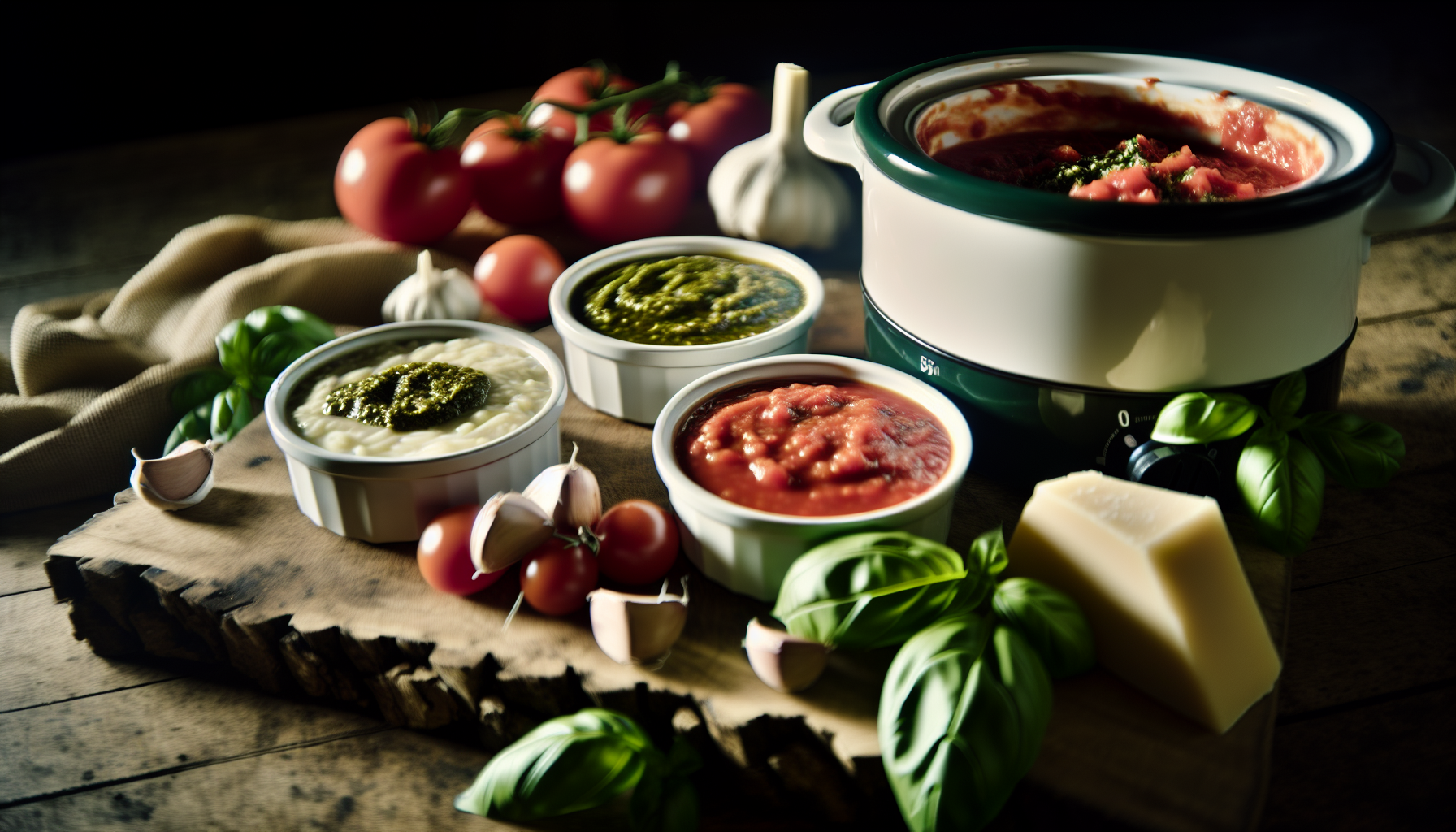
Italian pasta sauces are the heart and soul of traditional Italian cooking, yet many home cooks feel intimidated by the prospect of making them from scratch. The truth is that authentic Italian sauces rely on simple, high-quality ingredients and time-honored techniques rather than complicated recipes or exotic ingredients.
Whether you’re looking to master the classics or simply want to elevate your weeknight dinners, understanding the foundations of Italian pasta sauces will transform your cooking. Let’s explore the essential sauces every beginner should know and how to make them properly.
The Golden Rules of Italian Pasta Sauces
Before diving into specific recipes, it’s important to understand the principles that guide Italian sauce-making. These rules apply across nearly all traditional preparations and will help you achieve authentic results every time.
Quality Over Quantity
Italian cooking philosophy emphasizes using fewer, better ingredients. A simple tomato sauce made with premium San Marzano tomatoes, good olive oil, and fresh basil will always outperform a complex sauce made with mediocre components. Invest in the best ingredients you can afford, especially for staples like olive oil, Parmigiano-Reggiano, and canned tomatoes.
The Pasta-to-Sauce Ratio
Unlike many other cuisines, Italian pasta dishes don’t drown the pasta in sauce. The sauce should coat the pasta evenly, not pool at the bottom of the plate. A good rule of thumb is to use about one cup of sauce for every pound of pasta, adjusting based on the sauce’s consistency.
Always Finish Cooking in the Sauce
One of the most important techniques in Italian cooking is to finish cooking your pasta directly in the sauce for the final minute or two. This allows the pasta to absorb the flavors and creates a cohesive dish. Reserve some pasta cooking water to adjust the consistency as needed—the starchy water helps bind the sauce to the pasta.
Essential Tomato-Based Sauces
Tomato sauces form the backbone of Italian pasta cuisine. While there are countless variations, mastering these fundamental preparations will give you a solid foundation.
Marinara (Salsa di Pomodoro)
Marinara is the simplest and most versatile Italian tomato sauce. Despite its simplicity, it requires attention to detail to get right. The classic recipe contains just five ingredients: tomatoes, garlic, olive oil, basil, and salt.
To make authentic marinara, gently sauté sliced garlic in olive oil until fragrant but not browned. Add crushed San Marzano tomatoes, a pinch of salt, and simmer for 20-30 minutes. The sauce should remain bright and fresh-tasting. Add fresh basil leaves in the last few minutes of cooking. The result should be a vibrant, slightly chunky sauce that tastes primarily of sweet tomatoes.
Arrabbiata
Arrabbiata means “angry” in Italian, referring to the spicy heat from red chili peppers. This Roman sauce is essentially marinara with the addition of dried red pepper flakes or fresh chili peppers. The key is to cook the pepper flakes with the garlic in olive oil to release their flavor and heat before adding the tomatoes. Start with a conservative amount of pepper and adjust to your taste—traditional arrabbiata has a noticeable kick but shouldn’t be overwhelmingly spicy.
Amatriciana
Originating from the town of Amatrice, this sauce combines tomatoes with guanciale (cured pork jowl), pecorino romano cheese, and a touch of chili pepper. The rendered fat from the guanciale creates a rich, savory base that transforms the tomato sauce into something deeply satisfying. If you cannot find guanciale, pancetta is an acceptable substitute, though purists will notice the difference. The traditional pasta pairing is bucatini, but spaghetti works beautifully as well.
Cream and Cheese-Based Sauces
While tomato sauces dominate Italian cuisine, cream and cheese-based sauces have their place in the repertoire, particularly in Northern Italian cooking.
Carbonara
Carbonara is one of the most misunderstood Italian sauces outside of Italy. Authentic carbonara contains no cream whatsoever. The creamy texture comes from eggs, cheese, and pasta water emulsified together with the heat of the pasta.
The traditional recipe calls for guanciale, eggs, Pecorino Romano, black pepper, and pasta (typically spaghetti or rigatoni). The technique is crucial: you must temper the egg mixture with hot pasta water before combining it with the hot pasta, and the heat should be off to prevent the eggs from scrambling. The result is a silky, luxurious sauce that coats each strand of pasta perfectly.
Alfredo
True Fettuccine Alfredo, as created in Rome, is simply butter and Parmigiano-Reggiano tossed with hot pasta and pasta water. The American version with heavy cream is unknown in Italy. To make authentic Alfredo, you need high-quality butter and freshly grated Parmigiano-Reggiano. The vigorous tossing action emulsifies the butter, cheese, and starchy pasta water into a creamy coating. While simple, it requires practice to achieve the proper consistency.
Oil-Based Sauces (Aglio e Olio Family)
Oil-based sauces showcase the Italian ability to create something spectacular from minimal ingredients. These sauces are typically the quickest to prepare and rely heavily on technique.
Aglio e Olio
Garlic and oil (aglio e olio) is the foundation of countless Italian pasta dishes. This Neapolitan specialty requires only garlic, olive oil, red pepper flakes, parsley, and pasta—yet it’s surprisingly tricky to master.
The key is to infuse the olive oil with garlic flavor without burning the garlic, which would turn bitter. Slice the garlic thinly and cook it slowly in olive oil over low heat. Once golden and fragrant, add red pepper flakes, then immediately toss with the pasta and pasta water. The starch in the water helps emulsify the oil into a light sauce rather than leaving you with oily pasta. Fresh parsley adds brightness at the end.
Puttanesca
This bold, briny sauce from Naples combines olives, capers, anchovies, tomatoes, and garlic in an olive oil base. The name has colorful origins, but the sauce is beloved for its intense, salty-savory profile. The anchovies dissolve into the sauce, providing depth rather than fishiness. Quality ingredients are essential here—use good olives and capers packed in brine rather than vinegar. The sauce comes together quickly, making it perfect for weeknight dinners.
Meat-Based Sauces
Italian meat sauces are typically slow-cooked ragùs that develop deep, complex flavors over time. These sauces require patience but reward you with incredible results.
Bolognese (Ragù alla Bolognese)
Authentic Bolognese from Bologna bears little resemblance to the thick, tomato-heavy “spaghetti sauce” many people associate with the name. Traditional Bolognese is a meat-forward sauce with a small amount of tomato, milk or cream, and a soffritto base of celery, carrot, and onion.
The sauce cooks for several hours, developing a rich, slightly sweet flavor. Wine (white is traditional, though red is also used) adds acidity and depth. The meat should be finely ground or chopped, and the final consistency should be relatively thick but not dry. Bolognese is traditionally served with tagliatelle or other wide, flat pasta that can hold the hearty sauce, never with spaghetti.
Ragù Napoletano
This Sunday sauce from Naples differs significantly from Bolognese. Large pieces of meat—often a mix of pork ribs, beef, and sometimes sausage—simmer in tomato sauce for hours. The meat is served as a second course, while the enriched tomato sauce dresses the pasta for the first course. This is traditional Sunday dinner fare, meant to feed a large family gathering.
Vegetable-Based Sauces
Italian cuisine celebrates vegetables, and many traditional pasta sauces showcase seasonal produce as the star ingredient.
Pomodoro Fresco
During peak tomato season, fresh tomato sauce (pomodoro fresco) is unbeatable. Unlike long-cooked marinara, this sauce uses raw or barely cooked fresh tomatoes. Simply dice ripe tomatoes, toss them with olive oil, garlic, basil, and salt, and let them sit at room temperature for an hour. Toss with hot pasta, and the heat gently warms the tomatoes without cooking away their fresh flavor. This sauce is best with pasta shapes that can catch the chunky tomatoes, like orecchiette or penne.
Cacio e Pepe
This minimalist Roman sauce contains only three ingredients: Pecorino Romano cheese, black pepper, and pasta water. Despite its simplicity, cacio e pepe is notoriously difficult to master. The challenge lies in creating a smooth, creamy cheese sauce without the cheese clumping or the sauce breaking.
The technique involves toasting black pepper in a dry pan, adding a small amount of pasta water to create a paste, then gradually whisking in finely grated cheese off the heat. The mixture is then tossed with hot pasta and additional pasta water until a silky sauce forms. Temperature control is critical—too hot and the cheese clumps, too cool and the sauce won’t emulsify.
Tips for Sauce Success
Beyond specific recipes, these practical tips will help you achieve better results with any Italian pasta sauce.
- Salt your pasta water generously: It should taste like the sea. This is your only opportunity to season the pasta itself, and properly salted pasta makes a significant difference in the final dish.
- Save pasta water before draining: Always reserve at least a cup of starchy pasta cooking water before draining. This liquid gold helps adjust sauce consistency and binds sauce to pasta.
- Use the right pasta shape: Italians pair specific sauces with specific pasta shapes for good reasons. Chunky sauces work best with shapes that can trap ingredients, while smooth sauces pair well with long strands.
- Don’t rinse pasta: Rinsing washes away the starch that helps sauce adhere to the pasta. The only exception is when making cold pasta salad.
- Taste and adjust: Italian cooking relies on the cook’s palate. Taste your sauce as it cooks and adjust seasoning, acidity, or sweetness as needed.
- Finish with cheese wisely: Not all pasta dishes call for cheese. In particular, seafood-based pasta sauces traditionally never include cheese.
Building Your Italian Pantry
Having the right ingredients on hand makes preparing authentic Italian pasta sauces much easier. Stock your pantry with these essentials:
- Extra virgin olive oil: Buy the best quality you can afford for finishing dishes; a less expensive option is fine for cooking.
- Canned San Marzano tomatoes: These protected designation tomatoes from the Campania region have superior flavor and sweetness.
- Parmigiano-Reggiano and Pecorino Romano: Buy wedges and grate fresh as needed for the best flavor.
- Dried pasta: De Cecco, Barilla, and Rummo are reliable brands; for special occasions, try artisanal bronze-cut pasta.
- Anchovies: These dissolve into sauces, adding depth without fishiness. Buy salt-packed or good quality oil-packed anchovies.
- Capers: Choose salt-packed capers when possible and rinse before using.
- Garlic: Fresh heads of garlic are essential; pre-minced garlic cannot substitute in most Italian recipes.
Common Mistakes to Avoid
Even with good intentions, certain mistakes can prevent you from achieving authentic Italian results. Watch out for these common pitfalls:
- Overcooking pasta: Cook pasta to al dente, which means it should have a slight bite when you chew it. Remember it will continue cooking when you finish it in the sauce.
- Adding oil to pasta water: This is unnecessary and prevents sauce from adhering properly to the pasta.
- Overcomplicating sauces: Resist the urge to add extra ingredients. Italian cooking is about highlighting a few quality ingredients, not mixing everything together.
- Using pre-grated cheese: Freshly grated cheese melts smoothly and tastes significantly better. Pre-grated cheese contains anti-caking agents that affect texture.
- Cooking garlic too hot or too fast: Burnt garlic is bitter and ruins a dish. Always cook garlic gently over moderate heat.
- Breaking pasta to fit the pot: Use a larger pot or wait a few seconds for long pasta to soften and bend into the water.
Conclusion
Mastering authentic Italian pasta sauces is within reach for any home cook willing to focus on quality ingredients and traditional techniques. Start with one or two basic sauces like marinara or aglio e olio, perfect your technique, then gradually expand your repertoire. Remember that Italian cooking values simplicity and allows great ingredients to shine. With practice and patience, you’ll soon be creating restaurant-quality pasta dishes that would make any Italian grandmother proud. Now it’s time to get cooking—buon appetito!

Leave a Reply