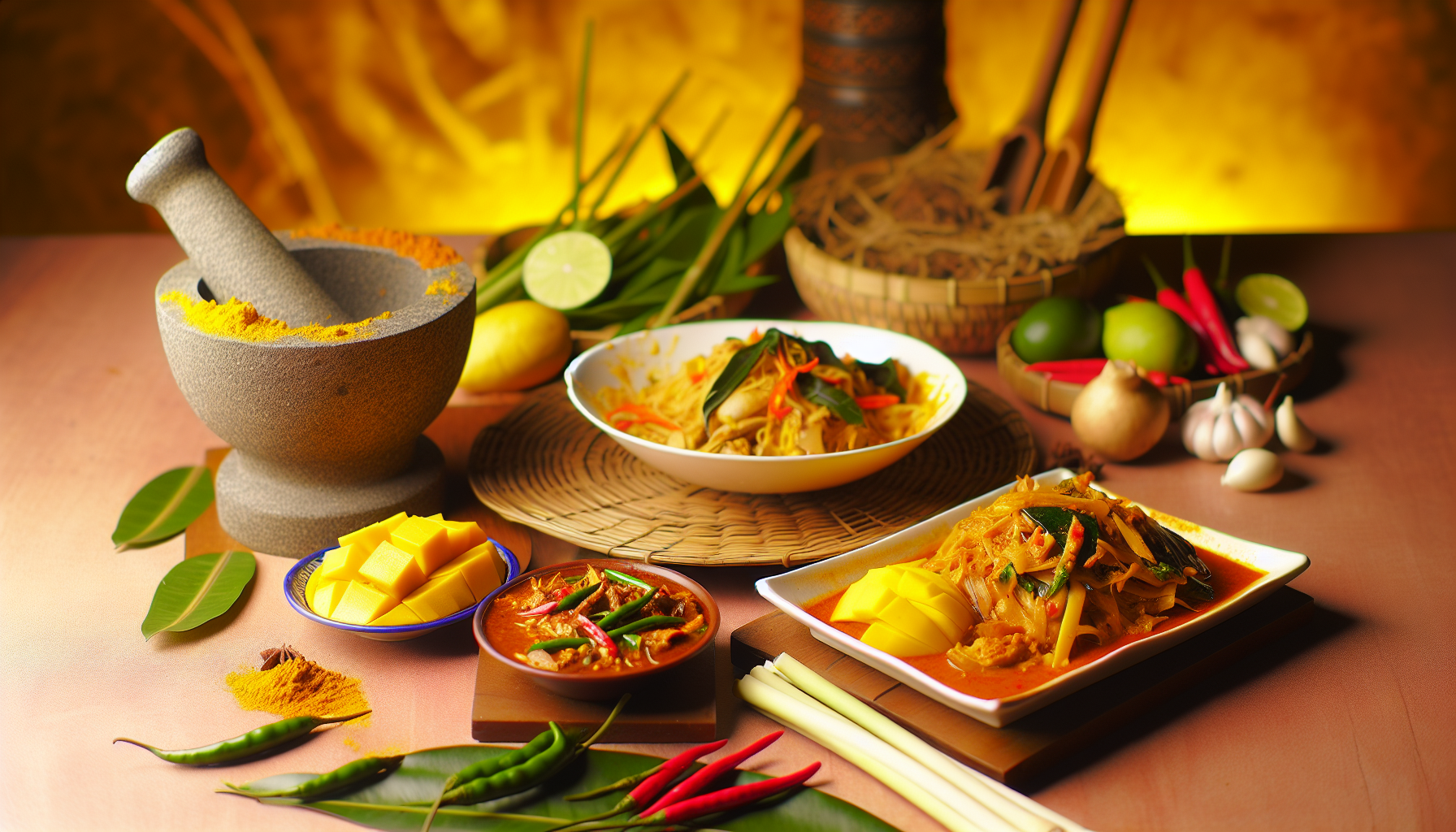
Thai street food is legendary for its bold flavors, aromatic herbs, and perfect balance of sweet, sour, salty, and spicy. While wandering through Bangkok’s night markets might not be an option right now, bringing those authentic tastes into your own kitchen is easier than you think. With a few key ingredients and simple techniques, you can recreate the magic of Thailand’s bustling food stalls without leaving home.
Whether you’re craving the tangy punch of pad Thai, the creamy richness of coconut curry, or the refreshing bite of som tam, this guide will walk you through the essential elements of Thai street food cooking. Let’s transform your kitchen into a vibrant corner of Southeast Asia.
Essential Ingredients for Your Thai Pantry
Before you start cooking, stocking your pantry with authentic Thai ingredients makes all the difference. These staples form the backbone of most street food dishes and can be found at Asian grocery stores or ordered online.
The Must-Have Base Ingredients
- Fish sauce – The salty, umami foundation of Thai cooking that adds depth to nearly every savory dish
- Thai basil – Different from Italian basil, with a slightly spicy, anise-like flavor
- Lime juice – Fresh limes provide the essential sour note in Thai cuisine
- Palm sugar – Offers a caramel-like sweetness that balances the heat and tang
- Thai chilies – Small but mighty, these provide authentic heat
- Coconut milk – The creamy base for curries and many desserts
- Tamarind paste – Adds a distinctive sour-sweet complexity
- Galangal – A cousin of ginger with a sharper, more citrusy flavor
- Lemongrass – Provides fresh, lemony aromatics
- Kaffir lime leaves – Impart an irreplaceable citrus fragrance
Sauces and Pastes to Keep on Hand
Quality curry pastes and ready-made sauces can be tremendous time-savers while still delivering authentic flavor. Look for brands like Mae Ploy or Thai Kitchen. Red, green, and yellow curry pastes each offer distinct flavor profiles, while oyster sauce and sweet chili sauce round out your repertoire.
Classic Thai Street Food Dishes You Can Master
These iconic dishes represent the heart of Thai street food culture and are surprisingly achievable at home with the right approach.
Pad Thai: The Quintessential Street Noodle
This stir-fried rice noodle dish is Thailand’s most famous export for good reason. The key to restaurant-quality pad Thai at home lies in high heat and quick cooking. Soak your rice noodles until just pliable, not mushy. Prepare all your ingredients before you start cooking because once that wok heats up, everything moves fast.
The sauce is a simple mixture of tamarind paste, fish sauce, and palm sugar. Cook your protein first, push it aside, scramble an egg, then toss in the drained noodles with the sauce. Add bean sprouts and garlic chives at the last moment to keep them crisp. Serve with crushed peanuts, lime wedges, and a sprinkle of chili flakes.
Som Tam: Green Papaya Salad
This refreshing salad delivers an explosion of flavors and textures. Traditionally made in a large mortar and pestle, you can approximate the technique with a bowl and the back of a spoon or a rolling pin. Shredded green papaya forms the base, while cherry tomatoes, long beans, peanuts, and dried shrimp add complexity.
The dressing combines lime juice, fish sauce, palm sugar, and fresh chilies pounded together. The gentle bruising releases the flavors and slightly breaks down the papaya strands. This dish is meant to be eaten immediately while everything remains crisp and vibrant.
Thai Basil Chicken (Pad Krapow Gai)
Often considered the ultimate Thai comfort food, this dish takes less than fifteen minutes to prepare. Ground chicken is stir-fried with garlic, chilies, and Thai basil in a savory sauce. The secret is cooking over very high heat to get that characteristic wok hei, or breath of the wok.
Serve it over jasmine rice with a fried egg on top. The runny yolk mixing with the spicy chicken and rice is pure street food heaven. If you can’t find Thai basil, regular basil works in a pinch, though the flavor profile changes slightly.
Tom Yum Soup: Hot and Sour Perfection
This iconic soup balances spicy, sour, and savory notes in a fragrant broth. Start with a base of chicken or seafood stock, then add crushed lemongrass, galangal slices, and kaffir lime leaves. The aromatics infuse the broth with layers of flavor.
Add mushrooms, tomatoes, and your choice of shrimp or chicken. Season with fish sauce, lime juice, and Thai chili paste. The soup should taste bold and assertive, with each spoonful offering a complex interplay of flavors. Fresh cilantro and additional lime wedges at serving time brighten everything up.
Mango Sticky Rice: The Sweet Finale
No Thai street food experience is complete without this beloved dessert. Sweet glutinous rice is cooked with coconut milk and sugar, then served alongside fresh mango slices and drizzled with more coconut cream.
The trick is using proper sticky rice, which requires soaking for several hours before steaming. The coconut milk mixture should be warm when you fold it into the cooked rice, allowing the grains to absorb maximum creaminess. Use perfectly ripe mangoes for the best experience.
Techniques That Make the Difference
Mastering a few fundamental techniques elevates your Thai cooking from good to exceptional.
The Art of Wok Cooking
High heat is non-negotiable for authentic Thai stir-fries. Your wok or large skillet should be screaming hot before you add oil. This creates the characteristic charred flavors and keeps vegetables crisp rather than steamed. Work in small batches if necessary to maintain temperature.
Building Balanced Flavors
Thai cuisine revolves around balancing four key tastes: sweet, sour, salty, and spicy. As you cook, taste frequently and adjust. Too sour? Add more palm sugar. Too salty? Balance with lime juice. The interplay between these elements creates the complexity Thai food is known for.
Proper Herb and Aromatics Preparation
Bruise lemongrass stalks with the back of a knife to release oils. Tear kaffir lime leaves to unleash their fragrance. Slice galangal thinly because it’s tougher than ginger. These small steps unlock the full potential of your aromatics.
Setting Up Your Thai Street Food Kitchen
You don’t need specialized equipment to cook Thai food, but a few tools make the process smoother and more authentic.
- A wok or large skillet – Essential for high-heat stir-frying
- Mortar and pestle – Traditional for making curry pastes and bruising ingredients
- Rice cooker – Not traditional but incredibly convenient for perfect jasmine rice
- Sharp knife and cutting board – Prep work is crucial in Thai cooking
- Bamboo steamer – Ideal for sticky rice and dumplings
Tips for Authentic Results
Small details separate homemade Thai food from truly authentic street food flavor.
Prep everything first. Thai cooking moves quickly, so having all ingredients chopped, measured, and ready to go prevents burning and ensures proper timing.
Don’t skip the garnishes. Fresh herbs, lime wedges, crushed peanuts, and chili flakes aren’t just decoration. They’re integral to the complete flavor experience and allow diners to customize heat and brightness.
Taste as you go. Recipes provide guidelines, but your palate is the ultimate judge. Adjust seasonings throughout cooking and right before serving.
Use fresh ingredients whenever possible. While some items can be substituted or bought prepared, fresh herbs, limes, and chilies make a noticeable difference.
Embrace the heat. Thai street food isn’t meant to be timid. Start with moderate spice levels and increase as your tolerance builds, but don’t eliminate the heat entirely.
Common Mistakes to Avoid
Even experienced home cooks stumble on these common pitfalls when cooking Thai food.
Overcooking noodles – Rice noodles should be soaked until pliable but still firm, then finished in the wok. Oversoaked noodles turn mushy.
Using low heat – Thai stir-fries need high heat to develop proper texture and flavor. Cooking too gently steams ingredients rather than searing them.
Substituting regular basil for Thai basil – While acceptable in a pinch, the flavor is noticeably different. Thai basil has a distinctive anise note that regular basil lacks.
Adding all ingredients at once – Different ingredients need different cooking times. Add aromatics first, then proteins, then vegetables based on their required cooking time.
Forgetting to balance flavors – Thai food should never be one-dimensional. Always check that sweet, sour, salty, and spicy elements are in harmony.
Where to Find Ingredients
Asian grocery stores offer the widest selection of authentic Thai ingredients at the best prices. Many cities have Thai-specific markets with fresh herbs, produce, and hard-to-find items.
Online retailers like Amazon, ImportFood, and Temple of Thai ship nationwide and carry comprehensive selections. While convenient, prices are often higher than in-person shopping.
Regular supermarkets increasingly stock Thai basics like fish sauce, curry pastes, and rice noodles in their international aisles. Quality varies, so read labels and look for Thai-made products when possible.
Making It a Complete Experience
Thai street food culture is about more than just the food itself. Create an authentic atmosphere by serving multiple small dishes family-style, encouraging sharing and variety. Play some Thai music in the background. Use simple, mismatched bowls and plates like you’d find at a street stall.
Consider making it interactive by setting up a DIY noodle soup bar or letting guests customize their own spring rolls. This captures the participatory spirit of eating street food in Thailand, where you often watch your meal being prepared and can request adjustments.
Conclusion
Exploring Thai street food at home opens up a world of exciting flavors and cooking techniques that will expand your culinary repertoire far beyond a single cuisine. Start with one or two dishes, master the basics, and gradually build your confidence and ingredient collection. The vibrant, balanced flavors of Thai cooking will quickly become a regular feature in your kitchen, bringing a taste of Bangkok’s bustling streets to your dinner table any night of the week.

Leave a Reply