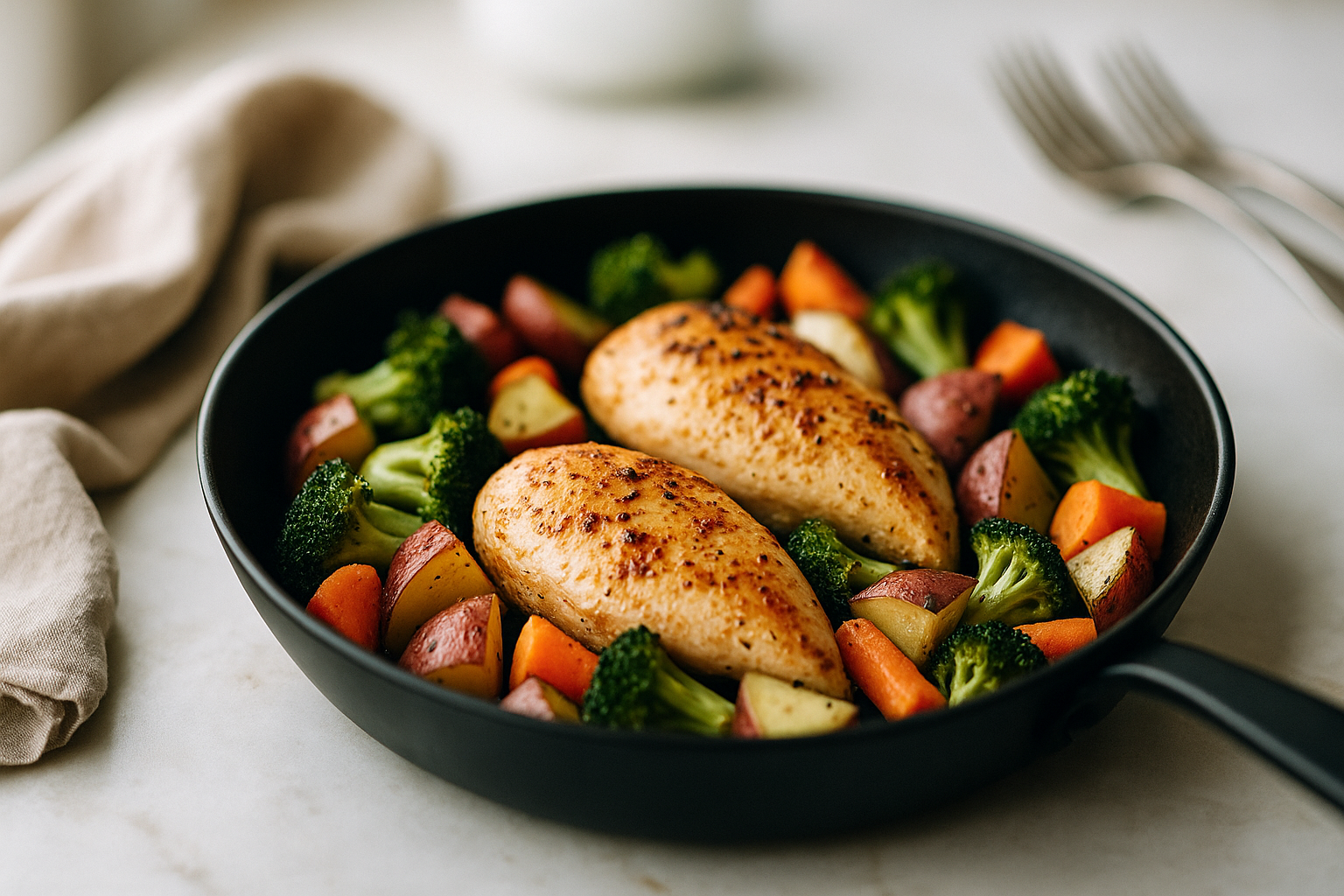
After a long day, the last thing you want to face is a sink full of dirty pots, pans, cutting boards, and mixing bowls. Yet most dinner recipes seem designed to create maximum kitchen chaos, requiring multiple cooking vessels and leaving you exhausted before you even sit down to eat. The good news? One-pan dinners deliver complete, satisfying meals while keeping cleanup to an absolute minimum.
These aren’t just simplified recipes or cooking shortcuts. One-pan dinners represent a smarter approach to weeknight cooking that respects your time, energy, and sanity. Whether you’re using a sheet pan, skillet, or Dutch oven, these meals prove that delicious home cooking doesn’t require destroying your kitchen in the process.
Why One-Pan Cooking Changes Everything
The appeal of one-pan dinners goes far beyond fewer dishes to wash. When you cook everything in a single vessel, flavors meld together in ways that separated components can’t achieve. Vegetables roasting alongside proteins absorb those savory drippings. Starches cook in seasoned liquids that infuse them with flavor. Every ingredient benefits from sharing the same cooking space.
Time efficiency plays an equally important role. Traditional dinner preparation often involves juggling multiple cooking processes, keeping one eye on the stovetop while another dish bakes in the oven. One-pan meals eliminate this kitchen choreography. You arrange your ingredients, set your heat, and let everything cook together with minimal intervention. For busy professionals looking for quick weeknight dinner solutions, this approach transforms meal preparation from stressful to manageable.
The environmental impact deserves consideration too. Less water consumption, reduced energy use from heating a single cooking surface, and fewer cleaning products all add up. One-pan cooking naturally aligns with more sustainable kitchen practices without requiring any extra effort on your part.
Essential Equipment for One-Pan Success
Not all pans are created equal when it comes to one-pan dinners. Your choice of cookware significantly impacts both cooking results and cleanup difficulty. A heavy-duty rimmed sheet pan, typically 18 by 13 inches, handles most roasted vegetable and protein combinations beautifully. Look for aluminum construction with reinforced corners that won’t warp under high heat.
Cast iron skillets offer unmatched versatility for stovetop-to-oven meals. Their superior heat retention creates perfect sears on proteins while vegetables finish cooking in the oven. The naturally non-stick surface that develops with proper seasoning makes cleanup surprisingly easy despite the pan’s hefty weight. A 12-inch skillet provides enough surface area for family-sized portions without crowding.
Dutch ovens excel at one-pot meals that require both searing and braising. These heavy lidded pots maintain consistent temperatures and trap moisture, making them ideal for dishes that need longer cooking times. From hearty braises to complete rice dishes, a quality Dutch oven becomes your weeknight workhorse.
Stainless steel roasting pans work wonderfully for larger cuts of meat surrounded by root vegetables. Their reflective surface promotes even browning, and the sturdy construction withstands high temperatures without buckling. While they may require a bit more scrubbing than non-stick options, their durability makes them worthwhile investments.
Caring for Your One-Pan Arsenal
Proper maintenance keeps your pans performing optimally for years. Sheet pans benefit from lining with parchment paper or silicone mats, which prevent sticking and protect the pan’s surface from scratches. For stubborn residue, a paste of baking soda and water works wonders without damaging the aluminum.
Cast iron requires regular seasoning to maintain its non-stick properties. After washing and drying thoroughly, rub a thin layer of oil over the entire surface and heat it in the oven. This process builds up the protective coating that makes cleanup effortless and prevents rust.
Sheet Pan Dinners That Actually Deliver
Sheet pan dinners have exploded in popularity, and for good reason. The technique seems almost too simple: arrange protein and vegetables on a pan, drizzle with oil and seasonings, then roast until everything reaches perfect doneness. The challenge lies in choosing ingredients with compatible cooking times and understanding how to position them for optimal results.
Chicken thighs paired with Brussels sprouts and sweet potato chunks create a satisfying combination. The dark meat stays juicy during the 35-40 minute roasting time, while the vegetables develop crispy, caramelized exteriors. Cut sweet potatoes slightly smaller than the sprouts to ensure everything finishes simultaneously. A mixture of olive oil, garlic, and smoked paprika ties the flavors together without overwhelming the natural tastes.
Salmon fillets work beautifully with asparagus and cherry tomatoes for a lighter option. Since salmon cooks quickly, start the vegetables first with a 10-minute head start, then nestle the fish portions among them for the final 12-15 minutes. The tomatoes burst and release their juices, creating a light sauce that complements the rich fish. Fresh dill and lemon zest added after cooking brighten the entire dish.
Sausage and peppers represent classic one-pan cooking at its finest. Slice Italian sausages into chunks and toss with bell pepper strips, onion wedges, and halved baby potatoes. The sausage fat renders during roasting, coating the vegetables with savory flavor. This 30-minute meal approach proves that simple ingredient combinations often deliver the most satisfying results.
Temperature and Timing Strategies
Most sheet pan dinners succeed at temperatures between 400-425 degrees Fahrenheit. This range promotes browning without burning while cooking proteins thoroughly. Position your oven rack in the center for even heat distribution, moving it higher only when you want extra browning on top during the final minutes.
Ingredient spacing matters more than most home cooks realize. Crowded pans create steam instead of allowing proper roasting. Leave at least a half-inch between pieces, using two pans if necessary for larger batches. That breathing room lets moisture escape, enabling the caramelization that makes roasted food so appealing.
Skillet Suppers From Stovetop to Table
One-pan skillet meals offer something sheet pan dinners can’t match: the ability to build layers of flavor through sequential cooking techniques. Starting proteins in a hot skillet creates a flavorful fond, those browned bits stuck to the pan bottom that become the foundation for sauces. Vegetables added next pick up those flavors, and deglazing with liquid incorporates everything into a cohesive dish.
A chicken and rice skillet demonstrates this technique perfectly. Sear seasoned chicken thighs skin-side down until golden, then flip and remove them temporarily. Saute diced onions and bell peppers in the rendered fat, scraping up the browned bits. Add rice and toast it briefly before pouring in chicken stock. Nestle the chicken back in, cover, and let everything simmer until the rice absorbs the liquid and the chicken cooks through. One pan, one complete meal, minimal effort.
Shrimp and grits work surprisingly well as a one-pan dinner. Cook stone-ground grits in a deep skillet with stock and cream until tender. Push the grits to one side, then sear seasoned shrimp in the cleared space. The shrimp cook in minutes, and you can stir everything together before serving, or keep them slightly separated for visual appeal. Crispy bacon crumbled over the top adds textural contrast.
Beef and vegetable stir-fries capitalize on the skillet’s high heat capabilities. Slice flank steak thinly against the grain and sear it in batches to avoid overcrowding. Remove the beef, then quickly cook vegetables like snap peas, bell peppers, and broccoli until crisp-tender. Return the meat to the pan with your sauce, toss everything together, and dinner’s ready in under 20 minutes. For those seeking more minimal cleanup meal ideas, this approach delivers maximum flavor with minimal fuss.
Choosing the Right Cooking Fat
Your choice of cooking fat influences both flavor and browning. Olive oil works well for moderate-heat cooking and adds fruity notes. For high-heat searing, avocado oil or refined coconut oil withstand temperature extremes without smoking. Butter creates beautiful browning but burns easily, so consider adding it near the end of cooking or combining it with oil for a compromise between flavor and stability.
Dutch Oven Wonders for Deeper Flavors
Dutch ovens unlock one-pan cooking’s full potential by combining stovetop searing with gentle oven braising. These versatile pots handle everything from weeknight chicken to weekend braises that fill your home with incredible aromas. The heavy lid traps moisture and heat, creating a self-basting environment that keeps proteins tender while vegetables break down into silky textures.
A classic chicken and vegetables braise starts with browning chicken pieces in the Dutch oven, building that essential flavor foundation. Remove the chicken, saute aromatics like onions and garlic, then add root vegetables such as carrots, parsnips, and potatoes. Deglaze with wine or stock, return the chicken to nestle among the vegetables, and slide the covered pot into a 325-degree oven. Two hours later, you’ve got fall-apart-tender chicken surrounded by vegetables bathed in rich sauce.
Beef stew represents perhaps the ultimate Dutch oven one-pot meal. Sear cubed chuck roast in batches until deeply browned. Build your base with onions, carrots, and celery, add tomato paste for depth, then pour in beef stock and red wine. Toss in the beef along with herbs and let everything braise low and slow. The result justifies the longer cooking time, delivering complex flavors that quick-cooking methods can’t achieve.
Lighter options work equally well. A Mediterranean-style fish stew layers fennel, tomatoes, white wine, and saffron, then gently poaches firm white fish and shellfish in the aromatic broth. Served with crusty bread for soaking up the flavorful liquid, this weeknight-friendly approach feels special enough for entertaining while requiring minimal active cooking time.
Braising Liquid Essentials
The liquid you choose for braising dramatically affects the final dish. Wine adds acidity and depth, with red wines complementing beef and white wines pairing beautifully with chicken and pork. Stock provides savory richness, while canned tomatoes contribute both liquid and robust flavor. Most braises use a combination, balancing different elements to create complex taste profiles.
Liquid levels matter too. For braising, you want enough liquid to come about halfway up the protein, creating steam while allowing the top to brown slightly. Too much liquid boils rather than braises, producing tough meat. Too little risks burning and prevents proper cooking.
Making One-Pan Meals Work for Your Week
Integrating one-pan dinners into your weekly routine requires minimal planning but yields maximum returns. Start by identifying which nights present the biggest time challenges. Monday might need a quick sheet pan dinner after weekend recovery, while Wednesday could accommodate a longer Dutch oven braise that mostly cooks unattended.
Prep work on quieter days sets you up for effortless execution later. Chop vegetables and store them in containers, portion proteins, and mix spice blends or marinades. When dinner time arrives, you simply combine pre-prepped ingredients in your chosen pan and let the cooking method do the work. This approach mirrors professional meal prep strategies while maintaining the fresh-cooked quality that makes dinner satisfying.
Building a rotation of eight to ten reliable one-pan recipes eliminates decision fatigue. You’re not cooking the same thing every week, but you’re working with familiar techniques and ingredient combinations that remove the guesswork. Write these recipes on cards or save them in a digital folder you can access quickly, noting any adjustments or preferences your family expresses.
Strategic Shopping for One-Pan Success
Shopping with one-pan meals in mind streamlines your grocery trips. Focus on versatile vegetables that roast well, including bell peppers, zucchini, Brussels sprouts, cauliflower, broccoli, and root vegetables. Stock proteins that suit different cooking methods like chicken thighs for roasting, ground meat for skillets, and tougher cuts for braising.
Pantry staples support spontaneous one-pan cooking. Keep various oils, vinegars, canned tomatoes, stocks, and a well-stocked spice cabinet. These ingredients transform simple proteins and vegetables into distinctive meals without requiring special shopping trips.
Elevating Simple Ingredients Through Technique
The beauty of one-pan cooking lies in how proper technique elevates humble ingredients into something special. Paying attention to a few key principles transforms basic meals into dishes you’ll crave repeatedly.
Seasoning aggressively makes the difference between bland and bold. Don’t be shy with salt, especially on vegetables. They need more than you think to bring out their natural flavors. Season proteins liberally before cooking rather than trying to fix underseasoned food afterward. Layer seasonings throughout the cooking process instead of adding everything at once for more complex flavor development.
Textural contrast prevents one-pan meals from feeling monotonous. Include something crispy alongside tender elements. Toast nuts or breadcrumbs to sprinkle over finished dishes. Add fresh herbs, a squeeze of citrus, or a drizzle of quality olive oil just before serving. These final touches require minimal effort but significantly impact the eating experience.
Temperature awareness ensures properly cooked food. Invest in an instant-read thermometer to check protein doneness accurately. Chicken should reach 165 degrees, pork 145 degrees, and beef varies based on your preferred doneness. Vegetables should be tender but not mushy, retaining some structure even after roasting or braising.
One-pan dinners prove that cooking smarter, not harder, leads to better meals and happier cooks. By choosing the right equipment, understanding basic techniques, and focusing on quality ingredients, you create satisfying dinners that respect your time and energy. The sink stays relatively empty, you spend less time cooking and cleaning, and you still enjoy homemade meals that nourish both body and spirit. That’s the kind of cooking worth embracing night after night.

Leave a Reply