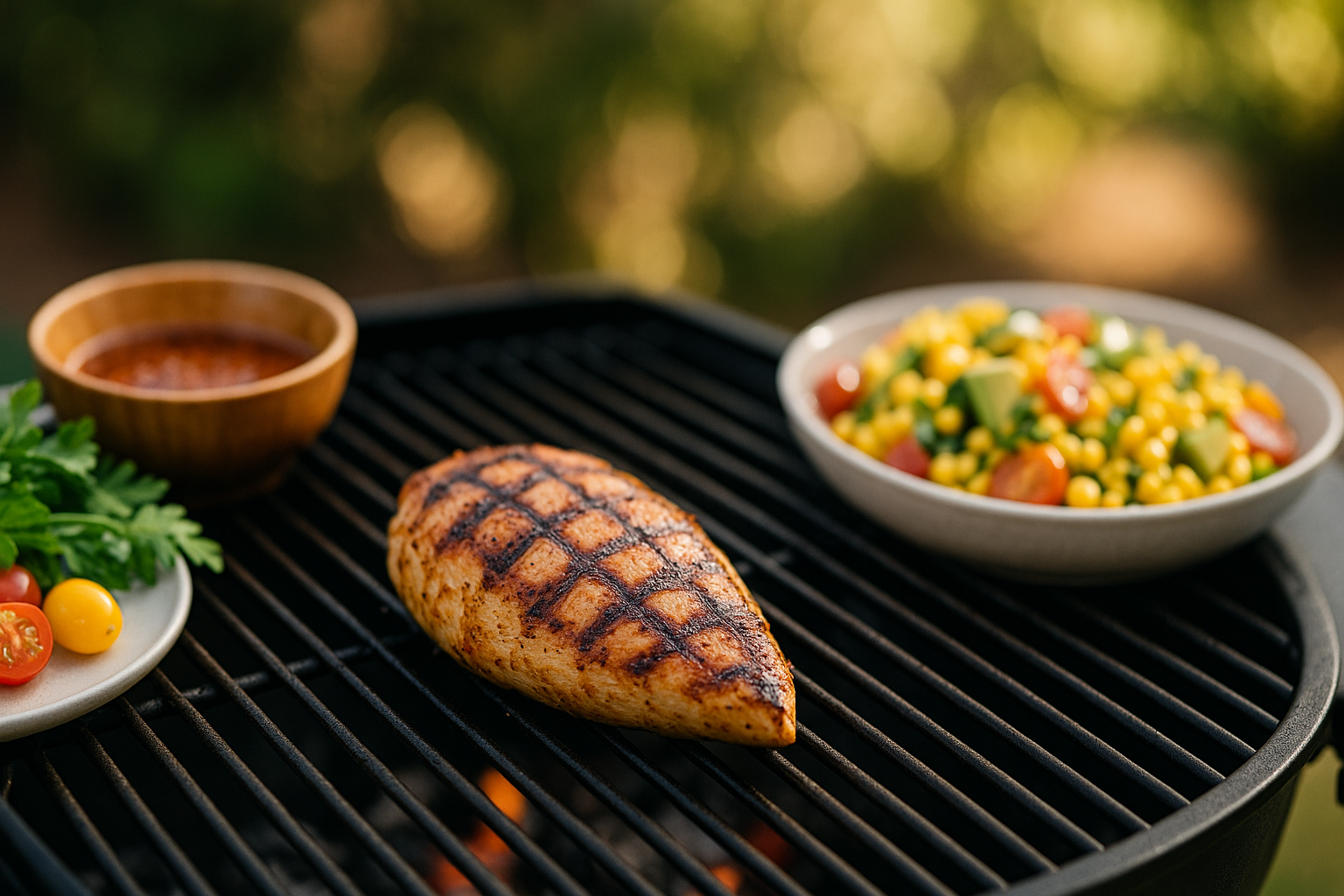
Summer grilling season brings more than just burgers and hot dogs to the backyard. The real stars of your cookout might just be the marinades that transform ordinary proteins into flavor-packed masterpieces and the side dishes that have guests asking for seconds before they’ve finished their first helping. When you master these supporting players, your summer grilling game elevates from basic to unforgettable.
The secret to memorable summer grilling isn’t about expensive cuts of meat or fancy equipment. It’s about understanding how marinades work their magic and creating side dishes that complement rather than compete with your grilled mains. Whether you’re hosting a casual family dinner or an elaborate outdoor feast, these techniques will help you create a complete grilling experience that keeps everyone coming back for more.
The Science Behind Great Marinades
Marinades do more than just add flavor to your food. They actually change the structure of proteins, making them more tender and juicy. The three essential components of any marinade – acid, oil, and seasonings – each play a specific role in this transformation. The acid (like citrus juice, vinegar, or wine) helps break down tough muscle fibers, the oil carries fat-soluble flavors and keeps food moist during cooking, and the seasonings provide the distinctive taste profile.
Understanding these basics helps you create custom marinades for any protein or vegetable. The ratio matters too. A good starting point is three parts oil to one part acid, with seasonings added to taste. Too much acid can actually make meat mushy rather than tender, especially with delicate proteins like fish or chicken. For tougher cuts like flank steak or pork shoulder, you can increase the acid slightly and extend the marinating time.
Timing Your Marinade
Different proteins need different marinating times. Fish and seafood become mushy if left too long – 15 to 30 minutes is usually plenty. Chicken benefits from 2 to 6 hours of marinating time. Beef and pork can handle longer periods, anywhere from 4 hours to overnight. Vegetables typically need just 30 minutes to an hour to absorb flavors without becoming soggy.
Always marinate in the refrigerator, not at room temperature. Food safety matters, especially during warm summer months. Use glass, ceramic, or food-grade plastic containers rather than metal, which can react with acidic ingredients and create off flavors. If you want to use some marinade as a sauce, always set aside a portion before adding raw meat.
Five Marinade Recipes That Transform Everything
Classic Herb and Garlic Marinade
This versatile marinade works beautifully with chicken, pork, or vegetables. Combine half a cup of olive oil, a quarter cup of lemon juice, four minced garlic cloves, two tablespoons of fresh rosemary, two tablespoons of fresh thyme, one tablespoon of Dijon mustard, and salt and pepper to taste. The mustard acts as an emulsifier, helping the oil and acid blend together smoothly. This marinade brings bright, fresh flavors that scream summer without overwhelming the natural taste of your protein.
Asian-Inspired Soy Ginger Marinade
Perfect for chicken, beef, or firm tofu, this marinade balances salty, sweet, and spicy elements. Whisk together a third cup of soy sauce, a quarter cup of rice vinegar, two tablespoons of sesame oil, two tablespoons of honey, two tablespoons of grated fresh ginger, three minced garlic cloves, and a teaspoon of red pepper flakes. The combination creates complex layers of flavor that caramelize beautifully on the grill. For a deeper flavor, add a tablespoon of miso paste.
Citrus Cilantro Marinade
This bright, zesty marinade shines with fish, shrimp, or chicken. Mix the juice and zest of two limes, the juice and zest of one orange, half a cup of olive oil, one cup of fresh cilantro (roughly chopped), four minced garlic cloves, one teaspoon of cumin, and salt to taste. The citrus provides plenty of acid, so keep marinating times on the shorter side. This marinade pairs exceptionally well with grilled corn and black bean salads.
Smoky Chipotle Marinade
For bold, spicy flavor on beef, pork, or portobello mushrooms, this marinade delivers. Blend two chipotle peppers in adobo sauce, a quarter cup of the adobo sauce, a third cup of olive oil, three tablespoons of lime juice, four garlic cloves, one tablespoon of honey, one teaspoon of cumin, and one teaspoon of smoked paprika. The smokiness from the chipotles adds depth that makes people think you’ve been grilling for hours. Adjust the heat level by adding more or fewer chipotle peppers.
Mediterranean Yogurt Marinade
Yogurt-based marinades work differently than oil-based ones. The lactic acid in yogurt tenderizes meat gently while keeping it incredibly moist. Combine one cup of plain Greek yogurt, a quarter cup of olive oil, three tablespoons of lemon juice, four minced garlic cloves, one tablespoon of dried oregano, one teaspoon of paprika, and salt and pepper. This works wonderfully with chicken, lamb, or even vegetables. The yogurt creates a slight crust when grilled that’s absolutely delicious.
Side Dishes That Steal the Spotlight
Great side dishes do more than fill space on the plate. They provide contrast in texture, temperature, and flavor that makes the entire meal more satisfying. Summer grilling calls for sides that can handle warm weather, complement smoky grilled flavors, and ideally include fresh seasonal produce. Some sides taste even better when made ahead, giving you more time to focus on grilling.
Grilled Vegetable Platter with Balsamic Glaze
Turn your grill into a vegetable showcase. Slice zucchini, bell peppers, red onions, and eggplant into thick pieces. Brush with olive oil, season with salt and pepper, and grill until tender with beautiful char marks. Arrange on a platter and drizzle with balsamic glaze (reduce balsamic vinegar by half over medium heat until syrupy). Add fresh basil and crumbled feta cheese just before serving. The smokiness from grilling transforms ordinary vegetables into something special.
Grilled Corn Salad with Lime and Cotija
This deconstructed Mexican street corn turns into a shareable side that’s easier to eat than corn on the cob. Grill six ears of corn until charred, then cut the kernels off. Toss with a quarter cup of mayonnaise, a quarter cup of sour cream, the juice of two limes, half a cup of crumbled cotija cheese, half a cup of chopped cilantro, one teaspoon of chili powder, and salt to taste. Serve warm or at room temperature. The creamy, tangy, spicy combination hits every flavor note perfectly.
Watermelon Feta Salad
This refreshing summer classic provides cool contrast to hot grilled foods. Cube four cups of seedless watermelon and combine with one cup of crumbled feta cheese, half a cup of fresh mint leaves (torn), and a quarter of a thinly sliced red onion. Dress with three tablespoons of olive oil, two tablespoons of lime juice, and a pinch of salt. The sweet-salty combination refreshes the palate between bites of rich grilled meat.
Loaded Potato Salad
Potato salad is a grilling tradition, but this version skips the mayo-heavy approach for something lighter. Grill two pounds of halved baby potatoes until tender and slightly charred. Toss while still warm with a quarter cup of olive oil, three tablespoons of red wine vinegar, two tablespoons of Dijon mustard, four sliced green onions, half a cup of chopped fresh dill, and salt and pepper. The warm potatoes absorb the dressing better than cold ones. Add crispy bacon and hard-boiled eggs if you want to make it more substantial.
Peach and Burrata Caprese
Give the classic caprese salad a summer twist. Slice ripe peaches and heirloom tomatoes. Arrange on a platter with torn burrata cheese and fresh basil leaves. Drizzle with good quality olive oil and balsamic vinegar, then sprinkle with flaky sea salt and cracked black pepper. The sweet peaches play beautifully against the creamy burrata and acidic tomatoes. For extra depth, grill the peach slices briefly before assembling.
Grilled Bread Panzanella
This Tuscan bread salad gets even better when you grill the bread first. Cut a rustic loaf into thick slices, brush with olive oil, and grill until toasted. Tear into chunks and toss with chopped heirloom tomatoes, cucumber, red onion, and fresh basil. Dress with olive oil, red wine vinegar, minced garlic, salt, and pepper. Let it sit for 15 minutes before serving so the bread absorbs the tomato juices and dressing. The grilled bread adds a smoky element that regular panzanella lacks.
Strategic Side Dish Planning
A well-planned selection of side dishes creates balance and variety. Include at least one cool or room-temperature dish, one hot or grilled side, something creamy, something crunchy, and something fresh and bright. This variety ensures every guest finds something they love and prevents palate fatigue. If you’re serving a rich, fatty main like ribs or brisket, lighter vegetable-based sides provide necessary contrast. Lean proteins like chicken or fish pair well with richer, more indulgent sides.
Make-ahead dishes save your sanity on grilling day. Salads that improve as they sit (like grain salads or slaws), dishes that taste good at room temperature (like bean salads or pasta salads), and components you can prep in advance (like dressings, marinades, or chopped vegetables) all reduce stress. Save the hot-off-the-grill items for one or two showstoppers rather than trying to time everything perfectly.
Elevating Store-Bought Sides
Not everything needs to be made from scratch. Smart shortcuts free up time for the dishes where homemade really matters. Buy high-quality coleslaw mix and toss it with your own dressing instead of using the packet. Upgrade potato salad from the deli by adding fresh herbs, crispy bacon, or a drizzle of good olive oil. Turn plain baked beans into something special by simmering them with caramelized onions, bacon, and a splash of bourbon.
Store-bought hummus becomes special when you top it with warm chickpeas, pine nuts, and paprika-infused olive oil. Pre-made pasta salad improves dramatically with the addition of fresh mozzarella, cherry tomatoes, and torn basil. The key is identifying which shortcuts work and which dishes truly benefit from the homemade treatment.
Matching Sides to Proteins
Different grilled proteins call for different side dish approaches. Grilled chicken pairs beautifully with Mediterranean flavors like Greek salad, grilled vegetables, or orzo with lemon and herbs. If you’re exploring Mediterranean diet recipes, these combinations create complete, balanced meals that feel indulgent but align with healthy eating principles.
Beef steaks handle bold flavors well, so don’t be shy with garlic, blue cheese, or spicy elements. Grilled asparagus with hollandaise, loaded baked potato salad, or a robust Caesar salad all complement steak nicely. For pork, fruit-based sides like grilled peach salad or apple slaw provide sweetness that plays against the savory meat.
Fish and seafood call for lighter, brighter sides. Cucumber salad, quinoa tabbouleh, or a simple green salad with citrus vinaigrette won’t overpower delicate flavors. Grilled vegetables work well here too, especially when dressed simply with lemon and olive oil. For those looking to incorporate more plant-based options, high-protein vegetarian sides can stand alongside or even replace traditional grilled proteins.
The Art of Presentation
Visual appeal matters, especially for summer gatherings. Serve salads in large, shallow bowls or on platters rather than deep containers so people can see what they’re getting. Use fresh herbs as garnish – they add color and aroma. Group similar colors together or deliberately contrast them for visual interest. A sprinkle of something crunchy on top (toasted nuts, seeds, or crispy shallots) adds textural contrast and makes dishes look more finished.
Temperature matters for presentation too. Serve cold dishes on chilled plates and hot dishes on warm ones when possible. This small detail keeps food at the right temperature longer. For buffet-style service, place lighter, vegetable-based dishes first so guests don’t load up on heavy starches before seeing all the options.
Seasonal Ingredient Swaps
Summer grilling naturally lends itself to peak-season produce, but understanding substitutions extends the season. When heirloom tomatoes aren’t available, cherry tomatoes concentrate flavor better than off-season slicing tomatoes. Swap peaches for nectarines, plums, or apricots depending on what looks best at the market. Fresh corn can be replaced with thawed frozen corn in salads (though grilling fresh corn is definitely superior).
For herbs, basil and cilantro are summer stars, but they have off-season substitutes. Basil can be replaced with a combination of parsley and mint. Cilantro substitutes include parsley with a squeeze of lime or fresh dill. Dried herbs work in marinades but fresh herbs make better garnishes and finishing touches for salads.
Common Marinating Mistakes to Avoid
Over-marinating ranks as the most common error. More time doesn’t always equal more flavor. Fish literally begins to “cook” in acidic marinades after 30 minutes, becoming mushy and opaque. Even sturdy beef can develop an unpleasant mealy texture if left in high-acid marinades for days. When in doubt, marinate for less time rather than more.
Using marinades as sauces without proper cooking creates food safety issues. Raw meat contaminates the marinade with bacteria. If you want to use marinade as a sauce, either set some aside before adding meat or bring used marinade to a rolling boil for at least one minute to kill bacteria. Better yet, make a fresh batch of the flavor base for serving.
Not drying proteins before grilling leads to steaming rather than searing. Pat marinated items dry with paper towels before they hit the grill. You’ll get better browning and those coveted grill marks. The marinade has already done its job – the surface moisture just creates steam and prevents caramelization.
Building a Complete Grilling Menu
A complete grilling menu balances flavors, textures, and effort. Start with one main protein and three to four sides. Include at least one make-ahead option, one grilled side, and one fresh, no-cook element. This creates variety without creating stress. For cooking techniques that complement grilling, understanding the secrets of perfect searing and grilling helps you master the main course while your sides shine in supporting roles.
Consider the full arc of the meal. Start with something light – maybe grilled bread with tomatoes or a simple crudité platter. Follow with sides and the main protein, building intensity of flavors. If you’re serving dessert, keep it simple after a big grilling spread. Grilled fruit with ice cream or a light berry dessert provides sweetness without overwhelming already-full guests.
For larger gatherings, think about dietary restrictions early in your planning. Most marinades work for multiple proteins, so grilling chicken, beef, and vegetables with the same flavor profile creates cohesion while accommodating different preferences. Plant-based guests appreciate dedicated grilling space for vegetables so they don’t pick up meat flavors.
Conclusion
Summer grilling reaches its full potential when you give marinades and side dishes the attention they deserve. A perfectly grilled steak is wonderful, but it becomes a complete meal when accompanied by thoughtfully prepared sides that complement and enhance the main event. The marinades transform simple proteins into flavor bombs, while strategic side dishes add variety, nutrition, and visual appeal to your spread.
The real beauty of mastering these elements is the flexibility they provide. Once you understand the principles behind great marinades and know which sides work well together, you can improvise based on what looks good at the market or what you have on hand. Summer grilling stops being about following recipes exactly and becomes about confident, creative cooking that brings people together around great food.
This grilling season, challenge yourself to try at least one new marinade and one new side dish. Pay attention to what your guests respond to, what holds up well in warm weather, and which dishes you actually enjoy making. Those insights will shape your personal grilling style and create traditions that last far beyond a single summer. The goal isn’t perfection – it’s creating delicious food that makes warm-weather gatherings memorable for all the right reasons.

Leave a Reply