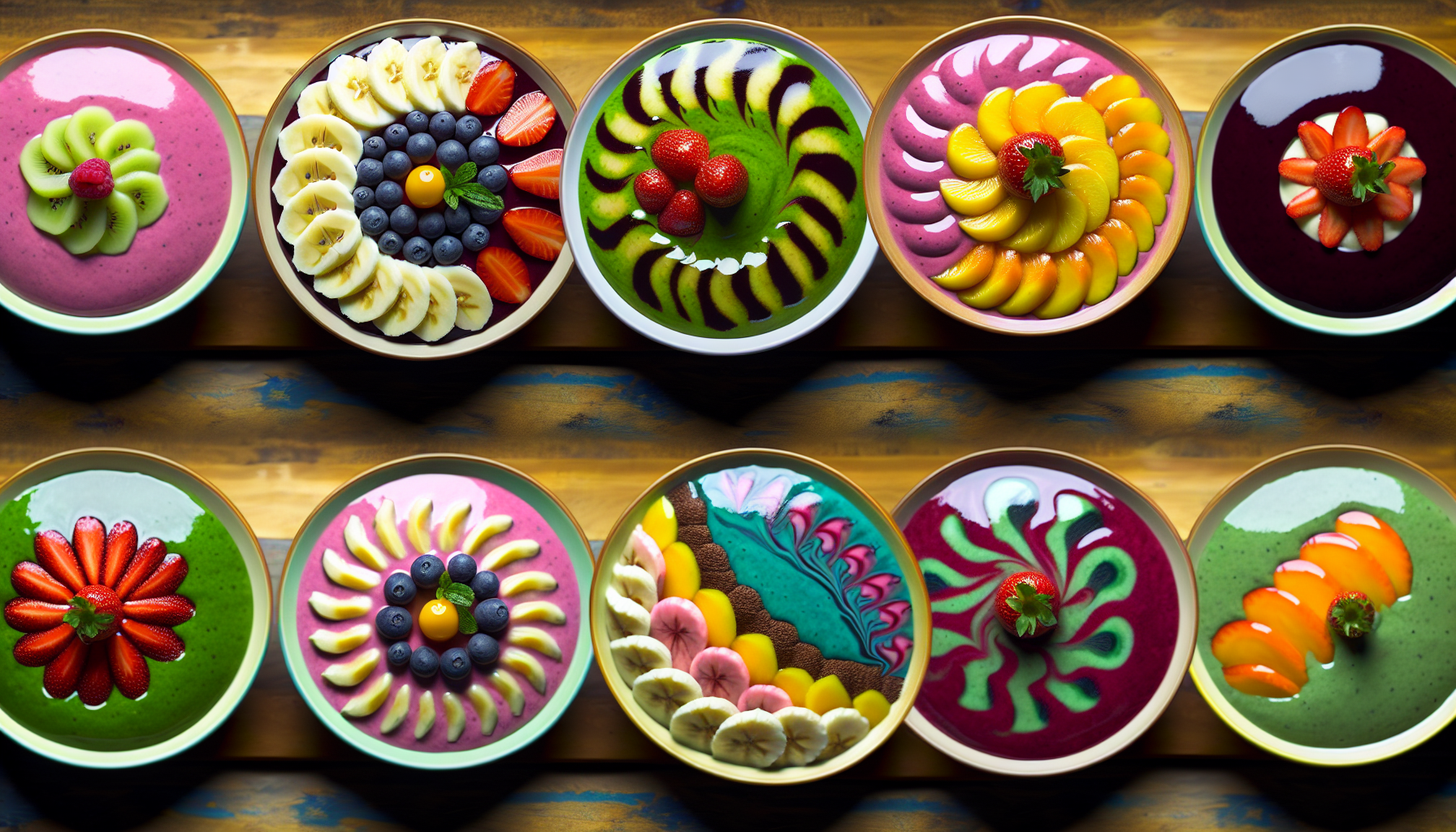
Smoothie bowls have transformed breakfast from a rushed meal into an Instagram-worthy masterpiece. These thick, spoon-able creations offer the perfect canvas for edible art, combining vibrant colors, interesting textures, and nutritious ingredients that fuel your morning. Whether you’re a meal prep enthusiast or simply want to elevate your breakfast game, smoothie bowls deliver both visual appeal and incredible taste.
The best part? Creating these stunning bowls doesn’t require culinary school training or expensive equipment. With a few simple techniques and the right ingredients, you can craft professional-looking smoothie bowls in your own kitchen that rival anything you’d find at a trendy café.
Why Smoothie Bowls Beat Regular Smoothies
While drinkable smoothies have their place, smoothie bowls offer distinct advantages that make them worth the extra effort. The thicker consistency means you eat more slowly, giving your brain time to register fullness and helping you avoid overeating. This mindful eating approach also lets you savor each spoonful and truly appreciate the flavors you’ve created.
The real magic happens with toppings. Unlike a regular smoothie where everything gets blended together, smoothie bowls let you layer different textures and flavors. Crunchy granola, chewy coconut flakes, fresh fruit slices, and creamy nut butter create a multi-dimensional eating experience that keeps every bite interesting.
The Foundation: Creating the Perfect Base
Your smoothie bowl base determines both the flavor profile and the canvas color. The key to a thick, spoon-able consistency is using frozen ingredients and minimal liquid. Think of it like soft-serve ice cream rather than a milkshake.
Essential Base Ingredients
- Frozen fruit: Bananas create creamy sweetness, while berries add vibrant color and antioxidants
- Liquid (minimal): Use just enough to blend, typically one-quarter to one-half cup of milk, juice, or coconut water
- Thickeners: Frozen cauliflower, avocado, or Greek yogurt add creaminess without overpowering flavors
- Protein boost: Protein powder, nut butter, or silken tofu keep you satisfied longer
Color Theory for Stunning Bowls
Different fruits and additions create distinct color palettes that set the stage for your artistic toppings:
- Pink to purple: Dragon fruit, frozen raspberries, strawberries, or acai
- Vibrant green: Spinach, kale, spirulina, or matcha powder with banana
- Sunshine yellow: Mango, pineapple, or turmeric with coconut milk
- Deep purple: Blueberries, blackberries, or purple sweet potato
- Creamy white: Banana, coconut, vanilla protein powder, and cashews
Topping Techniques That Transform Your Bowl
The difference between a decent smoothie bowl and an artistic masterpiece lies in how you arrange your toppings. These techniques require no special skills, just a bit of patience and creativity.
The Stripe Method
Create clean lines across your bowl by arranging toppings in parallel rows. Use contrasting colors and textures for maximum impact. Try alternating rows of sliced kiwi, fresh blueberries, coconut flakes, and granola. The key is making each stripe distinct and keeping the lines as straight as possible.
The Mandala Design
Start from the center and work outward in concentric circles. Place a central element like a strawberry half or edible flower, then create rings using different ingredients. This technique works beautifully with sliced bananas, berries, seeds, and granola. The symmetry creates an almost meditative quality that makes your bowl truly special.
The Section Method
Divide your bowl into quarters or thirds, dedicating each section to different toppings. This approach lets you enjoy distinct flavor combinations in each spoonful while creating a color-blocked aesthetic. One section might feature tropical fruits, another berries, and a third nuts and seeds.
The Gradient Technique
Arrange ingredients from light to dark or create a rainbow effect by transitioning through different colors. This works especially well with berries of different shades or when combining tropical fruits. The visual flow draws the eye across the entire bowl.
Five Showstopping Smoothie Bowl Recipes
Dragon Fruit Sunrise Bowl
This vibrant pink bowl delivers tropical flavors with stunning visual appeal. Blend one frozen banana, half a frozen dragon fruit (pitaya), one-quarter cup coconut milk, and a squeeze of lime juice until thick. Pour into your bowl and top with sliced kiwi, fresh mango cubes, coconut flakes, chia seeds, and edible flowers. The contrast between the bright pink base and green kiwi creates immediate visual interest.
Green Goddess Bowl
Don’t let the color fool you—this bowl tastes like a tropical vacation. Combine one frozen banana, one cup frozen pineapple, one handful of spinach, half an avocado, and one-third cup coconut water. The result is a creamy, bright green base that tastes fruity rather than vegetal. Top with sliced banana arranged in a fan, granola, hemp seeds, sliced almonds, and a drizzle of almond butter for contrast.
Acai Berry Bliss Bowl
The classic acai bowl remains popular for good reason. Blend one frozen acai packet, one frozen banana, half cup frozen mixed berries, and just enough almond milk to blend. The deep purple base provides the perfect backdrop for strawberry slices, blueberries, banana rounds, granola, and a sprinkle of bee pollen. Arrange the fruit in neat rows for a café-worthy presentation.
Golden Turmeric Mango Bowl
This sunshine-yellow bowl packs anti-inflammatory benefits alongside tropical flavor. Blend one and a half cups frozen mango, half a frozen banana, one-quarter teaspoon turmeric, a pinch of black pepper (helps turmeric absorption), and one-third cup coconut milk. Top with fresh mango slices, passion fruit pulp, coconut chips, pistachios, and a few mint leaves for a refreshing finish.
Chocolate Peanut Butter Power Bowl
Who says smoothie bowls can’t taste like dessert? Blend two frozen bananas, two tablespoons cocoa powder, two tablespoons peanut butter, one scoop chocolate protein powder, and one-quarter cup milk of choice. The rich chocolate base pairs perfectly with sliced banana, cacao nibs, granola, a peanut butter drizzle, and a sprinkle of sea salt. This bowl keeps you satisfied for hours.
Pro Tips for Picture-Perfect Presentation
Small details separate good smoothie bowls from great ones. These professional tricks help you achieve that polished, publishable look every time.
- Use the right bowl: Choose a wide, shallow bowl rather than a deep one. This provides more surface area for artistic topping arrangements and makes your creation more photogenic.
- Smooth the surface: After pouring your smoothie base, use the back of a spoon to create a completely smooth, flat surface. This clean canvas showcases your toppings better.
- Slice uniformly: Take an extra moment to cut fruit into even, thin slices. Consistent sizing looks more professional and makes pattern-making easier.
- Work quickly: Smoothie bowls start to melt and lose their structure within minutes. Have all toppings prepped and ready before blending your base.
- Consider height: Add dimension by stacking some ingredients or creating small piles rather than laying everything flat.
- Leave space: Don’t overcrowd your bowl. Negative space lets each topping shine and prevents a cluttered appearance.
- Add finishing touches: A drizzle of nut butter, a sprinkle of bee pollen, or a few edible flowers elevate your bowl from homemade to gourmet.
Topping Ideas Beyond the Basics
While berries and granola never go out of style, expanding your topping repertoire keeps your smoothie bowls interesting and nutritionally diverse.
Fresh Fruit Options
Think beyond strawberries and bananas. Dragon fruit cubes, star fruit slices, pomegranate arils, fresh figs, passion fruit, persimmon, and blood orange segments add unique flavors and striking visual elements. Seasonal fruit ensures peak flavor and often costs less than exotic imports.
Crunchy Elements
Texture contrast makes each bite more satisfying. Try buckwheat groats, cacao nibs, freeze-dried fruit, puffed quinoa, toasted coconut chips, crushed pistachios, candied ginger, or homemade grain-free granola. These elements add nutritional value while creating that essential crunch factor.
Superfoods and Boosters
Incorporate nutrient-dense additions that also look beautiful. Chia seeds, hemp hearts, goji berries, golden berries, mulberries, bee pollen, spirulina, and edible flowers serve both aesthetic and nutritional purposes. These ingredients transform a simple breakfast into a functional food experience.
Drizzles and Spreads
Strategic drizzles add visual interest and flavor complexity. Almond butter, tahini, cashew cream, melted dark chocolate, honey, coconut butter, and date caramel create beautiful patterns when drizzled across your bowl. Use a spoon or squeeze bottle for controlled application.
Common Mistakes to Avoid
Even experienced smoothie bowl makers occasionally run into problems. Recognizing these common pitfalls helps you troubleshoot before they happen.
Too much liquid: The most frequent mistake is adding too much liquid, resulting in a thin, soup-like consistency that won’t hold toppings. Add liquid one tablespoon at a time, using just barely enough to get your blender moving. You can always thin it out, but you can’t thicken it once blended.
Room temperature fruit: Using fresh instead of frozen fruit creates a thin, watery base. If you only have fresh fruit, add ice cubes, but frozen fruit delivers better texture and more intense flavor.
Blending too long: Over-blending generates heat and melts your frozen ingredients, thinning the consistency. Blend just until smooth, using the tamper tool if your blender has one.
Skipping the smoothing step: Pouring your base and immediately adding toppings without smoothing creates an uneven surface that makes arranging decorations difficult. Take five seconds to smooth the top with a spoon.
Incompatible flavor combinations: Not all ingredients play well together. Avoid combining too many competing flavors in one bowl. Stick to a theme—tropical, berry, chocolate, green—rather than throwing everything together.
Making Smoothie Bowls Work for Your Lifestyle
The artistic aspect is fun, but smoothie bowls also need to fit into real life. These strategies help you enjoy beautiful bowls even on busy mornings.
Prep-Ahead Freezer Packs
Spend an hour on Sunday creating individual smoothie bowl packs. Portion out your base ingredients into freezer bags, one per serving. In the morning, dump the contents into your blender with liquid, blend, and add fresh toppings. This method cuts prep time to under five minutes while eliminating decision fatigue.
Topping Station Organization
Keep a designated smoothie bowl station in your kitchen with commonly used toppings in clear containers. Being able to see your options inspires creativity and speeds up the decorating process. Rotate toppings seasonally to prevent boredom.
Time-Saving Shortcuts
Buy pre-frozen fruit, pre-made granola, and pre-packaged acai or pitaya packets to minimize preparation. While homemade versions taste great, convenience products make smoothie bowls accessible on busy mornings. The nutritional benefits remain even with these shortcuts.
Conclusion
Smoothie bowls prove that nutritious food doesn’t have to be boring or bland. By mastering the basics of creating thick, flavorful bases and learning simple topping techniques, you can transform your morning routine into a creative ritual. The beauty of smoothie bowls lies in their flexibility—experiment with different combinations, develop your signature style, and most importantly, enjoy both the process and the delicious results. Start with one of the recipes above, then let your imagination guide you toward your own edible masterpieces.

Leave a Reply