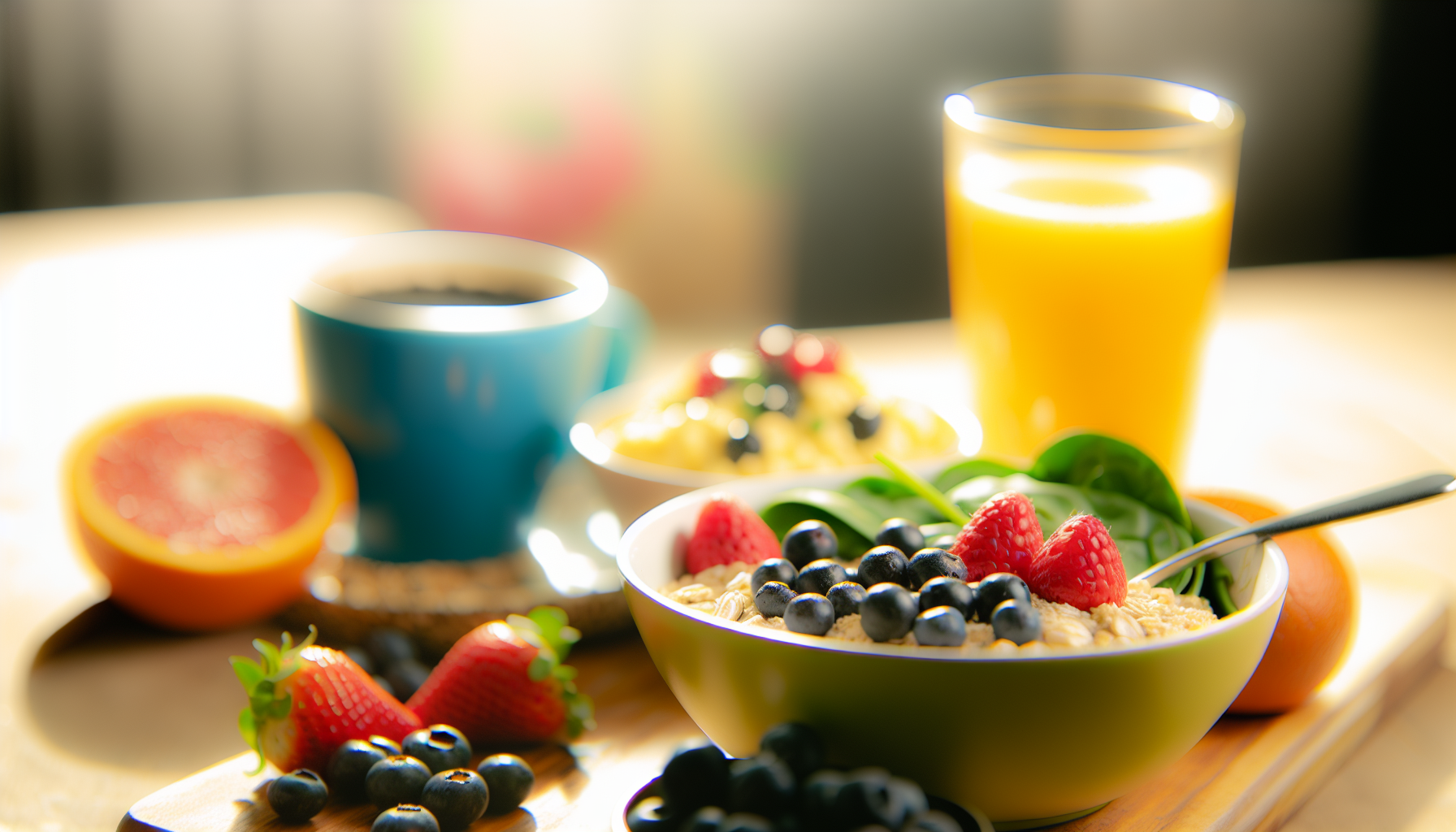
Mornings set the tone for your entire day, and what you eat for breakfast can make all the difference between feeling energized or reaching for another coffee by 10 AM. Power breakfasts aren’t just about filling your stomach—they’re about fueling your body with the right nutrients to enhance focus, stabilize blood sugar, and keep you satisfied until lunch.
Whether you have five minutes or thirty, these power breakfast ideas will help you start your day strong without sacrificing taste or convenience.
What Makes a Breakfast “Powerful”?
A power breakfast combines three essential macronutrients: protein, complex carbohydrates, and healthy fats. This trio works together to provide sustained energy, prevent mid-morning crashes, and support both physical and mental performance.
Protein helps build and repair tissues while keeping you full longer. Complex carbohydrates provide steady glucose release for brain function. Healthy fats support hormone production and nutrient absorption. When you balance these elements, you create a meal that works with your body’s natural rhythms rather than against them.
Key Nutrients to Include
- Protein: Aim for 15-30 grams from eggs, Greek yogurt, cottage cheese, nuts, or lean meats
- Fiber: Include whole grains, fruits, or vegetables to support digestion and satiety
- Healthy Fats: Add avocado, nuts, seeds, or olive oil for lasting energy
- Vitamins and Minerals: Incorporate colorful fruits and vegetables for micronutrient diversity
Quick Power Breakfast Recipes
Overnight Oats Three Ways
Overnight oats are the ultimate make-ahead breakfast. Combine half a cup of rolled oats with half a cup of milk or yogurt, refrigerate overnight, and wake up to a ready-to-eat meal packed with fiber and protein.
Classic Peanut Butter Banana: Mix in one tablespoon of peanut butter, half a sliced banana, and a drizzle of honey. Add chia seeds for extra omega-3s and fiber.
Berry Almond Delight: Stir in a handful of mixed berries, sliced almonds, and a touch of vanilla extract. The antioxidants from berries support immune function while almonds provide satisfying crunch and healthy fats.
Apple Cinnamon Comfort: Add diced apple, cinnamon, chopped walnuts, and a pinch of nutmeg. This combination tastes like dessert but delivers steady energy all morning.
Protein-Packed Egg Muffins
These savory muffins can be made in batches on Sunday and reheated throughout the week. Whisk together six eggs with a quarter cup of milk, then add your favorite vegetables and cheese. Pour into greased muffin tins and bake at 350°F for 20-25 minutes.
Try combinations like spinach and feta, bell pepper and cheddar, or mushroom and Swiss. Each muffin delivers about 7 grams of protein and can be customized to your taste preferences. Wrap them individually and store in the refrigerator for up to five days.
Green Power Smoothie Bowl
Smoothie bowls offer more satiety than drinkable smoothies because eating with a spoon triggers fullness signals better than sipping. Blend one frozen banana, a handful of spinach, half a cup of Greek yogurt, a scoop of protein powder, and a splash of almond milk until thick and creamy.
Pour into a bowl and top with granola, sliced fruit, coconut flakes, and a drizzle of nut butter. The combination of cold, creamy texture with crunchy toppings makes this breakfast feel indulgent while delivering over 20 grams of protein and multiple servings of fruits and vegetables.
Avocado Toast Upgraded
Transform basic avocado toast into a complete power breakfast by adding protein and varying your toppings. Start with whole grain or sourdough bread, toasted until golden. Mash half an avocado with a squeeze of lemon juice and spread generously.
Top with a poached or fried egg for 6 additional grams of protein. Add extras like cherry tomatoes, microgreens, hemp seeds, red pepper flakes, or everything bagel seasoning. The healthy fats from avocado combined with protein from eggs create a satisfying meal that stabilizes blood sugar for hours.
Five-Minute Power Breakfasts for Busy Mornings
Not every morning allows time for elaborate meal preparation. These ultra-quick options require minimal effort but still deliver nutritional power.
Greek Yogurt Parfait
Layer Greek yogurt with berries and granola in a jar or bowl. Choose plain Greek yogurt to avoid added sugars—it contains nearly double the protein of regular yogurt. Add a drizzle of honey if you prefer sweetness, and sprinkle with nuts or seeds for healthy fats and extra crunch.
Nut Butter Rice Cake Stack
Spread two tablespoons of almond or peanut butter on whole grain rice cakes. Top with banana slices and a sprinkle of chia seeds or cinnamon. This combination provides quick-digesting and slow-digesting carbohydrates along with protein and healthy fats for balanced energy.
Cottage Cheese Bowl
Cottage cheese is experiencing a renaissance, and for good reason—it’s high in protein, calcium, and incredibly versatile. Top half a cup with fresh fruit, a handful of nuts, and a drizzle of honey or maple syrup. For a savory version, add cherry tomatoes, cucumber, olive oil, and black pepper.
Quick Breakfast Wrap
Scramble two eggs in a hot pan with a splash of milk, cooking for just two minutes. Transfer to a whole wheat tortilla, add a handful of spinach, shredded cheese, and salsa. Roll it up and you have a portable, protein-rich breakfast ready in under five minutes.
Make-Ahead Power Breakfast Ideas
Investing an hour on the weekend to prepare breakfast components can save you countless rushed mornings and help you stick to healthy eating habits.
Freezer-Friendly Breakfast Burritos
Scramble a dozen eggs and divide among whole wheat tortillas. Add black beans, cheese, sautéed peppers and onions, and a spoonful of salsa to each. Wrap tightly in foil and freeze. Each morning, unwrap the foil, wrap in a damp paper towel, and microwave for two to three minutes. You’ll have a restaurant-quality breakfast burrito with over 20 grams of protein.
Homemade Granola
Store-bought granola often contains excessive sugar and lacks protein. Make your own by mixing three cups of rolled oats with one cup of chopped nuts, half a cup of seeds, a quarter cup of coconut oil, and a quarter cup of honey or maple syrup. Spread on a baking sheet and bake at 300°F for 30-40 minutes, stirring occasionally. Store in an airtight container for up to three weeks and enjoy with yogurt or milk.
Protein-Packed Pancake Mix
Combine two cups of whole wheat flour, one cup of protein powder, two tablespoons of baking powder, and a pinch of salt in a large container. When ready to make pancakes, add one cup of mix to three-quarters cup of milk and one egg. Cook on a griddle and freeze extras between sheets of parchment paper. Reheat in the toaster for quick weekday breakfasts.
Power Breakfast Tips for Different Lifestyles
For Athletes and Active Individuals
If you exercise in the morning, timing and composition matter. Eat a light, easily digestible breakfast 30-60 minutes before working out—try a banana with nut butter or a small smoothie. After your workout, consume a protein-rich meal within two hours to support muscle recovery. Options like eggs with sweet potato or a protein smoothie with fruit work well.
For Weight Management
Protein and fiber should be your focus. Studies show that high-protein breakfasts reduce cravings and calorie intake throughout the day. Aim for at least 20 grams of protein and 5 grams of fiber. Egg white omelets with vegetables, protein smoothies with flaxseed, or Greek yogurt with berries all fit these criteria while keeping calories in check.
For Plant-Based Eaters
Plant-based power breakfasts center on nuts, seeds, whole grains, and plant proteins. Try tofu scrambles with vegetables and nutritional yeast, chia pudding made with almond milk and topped with fruit and nuts, or whole grain toast with hummus and sliced vegetables. Combine complementary proteins like beans and rice or peanut butter and whole wheat bread to ensure complete amino acid profiles.
For Intermittent Fasters
If you practice intermittent fasting, your first meal becomes even more important. Break your fast with nutrient-dense foods that won’t spike blood sugar dramatically. Start with water or herbal tea, then transition to foods with protein and healthy fats like eggs with avocado, Greek yogurt with nuts, or salmon with vegetables. Avoid breaking your fast with sugary foods or refined carbohydrates that can trigger energy crashes.
Common Breakfast Mistakes to Avoid
Even with good intentions, certain breakfast habits can sabotage your energy and health goals.
- Skipping breakfast entirely: While intermittent fasting works for some, most people perform better with morning fuel, especially if exercising or mentally demanding work lies ahead
- Sugar-laden cereals and pastries: These cause rapid blood sugar spikes followed by crashes, leaving you hungrier and more tired
- Coffee as a meal replacement: Caffeine without food can increase cortisol and stomach acid while providing zero nutrition
- Insufficient protein: Carb-heavy breakfasts without adequate protein lead to mid-morning hunger and energy dips
- Eating the same thing daily: Nutritional variety ensures you get diverse vitamins and minerals while preventing boredom
Customizing Your Power Breakfast
The best breakfast is one you’ll actually eat consistently. Consider your preferences, schedule, and nutritional needs when building your morning routine.
If you’re not hungry first thing in the morning, don’t force a full meal. Start with something light like a smoothie or yogurt, and have a more substantial snack mid-morning. If you wake up ravenous, prepare heartier options like egg scrambles or breakfast bowls that provide serious staying power.
Pay attention to how different foods make you feel. Some people thrive on savory breakfasts while others prefer sweet. Some do well with larger morning meals while others need smaller, more frequent eating. Experiment to discover what energizes you most effectively.
Meal Prep Strategies for Success
Consistency with power breakfasts becomes easier when you remove decision fatigue and time pressure from busy mornings.
Dedicate one hour each weekend to washing and chopping fruits and vegetables, portioning nuts and seeds into small containers, cooking grains like quinoa or steel-cut oats in batches, and preparing any make-ahead recipes. Store everything in clear containers at the front of your refrigerator where you’ll see them first thing in the morning.
Create a rotation of five to seven breakfast options so you have variety without needing to plan each day. Write your rotation on a whiteboard or keep it in your phone for quick reference when grocery shopping.
Conclusion
Power breakfasts don’t require complicated recipes or hours in the kitchen—they simply need thoughtful combinations of protein, complex carbohydrates, and healthy fats. Whether you choose overnight oats, egg muffins, smoothie bowls, or quick yogurt parfaits, prioritizing a nutritious morning meal sets you up for sustained energy, better focus, and improved overall health. Start with one or two recipes from this guide, make them your own, and watch how a powerful breakfast transforms your entire day.

Leave a Reply