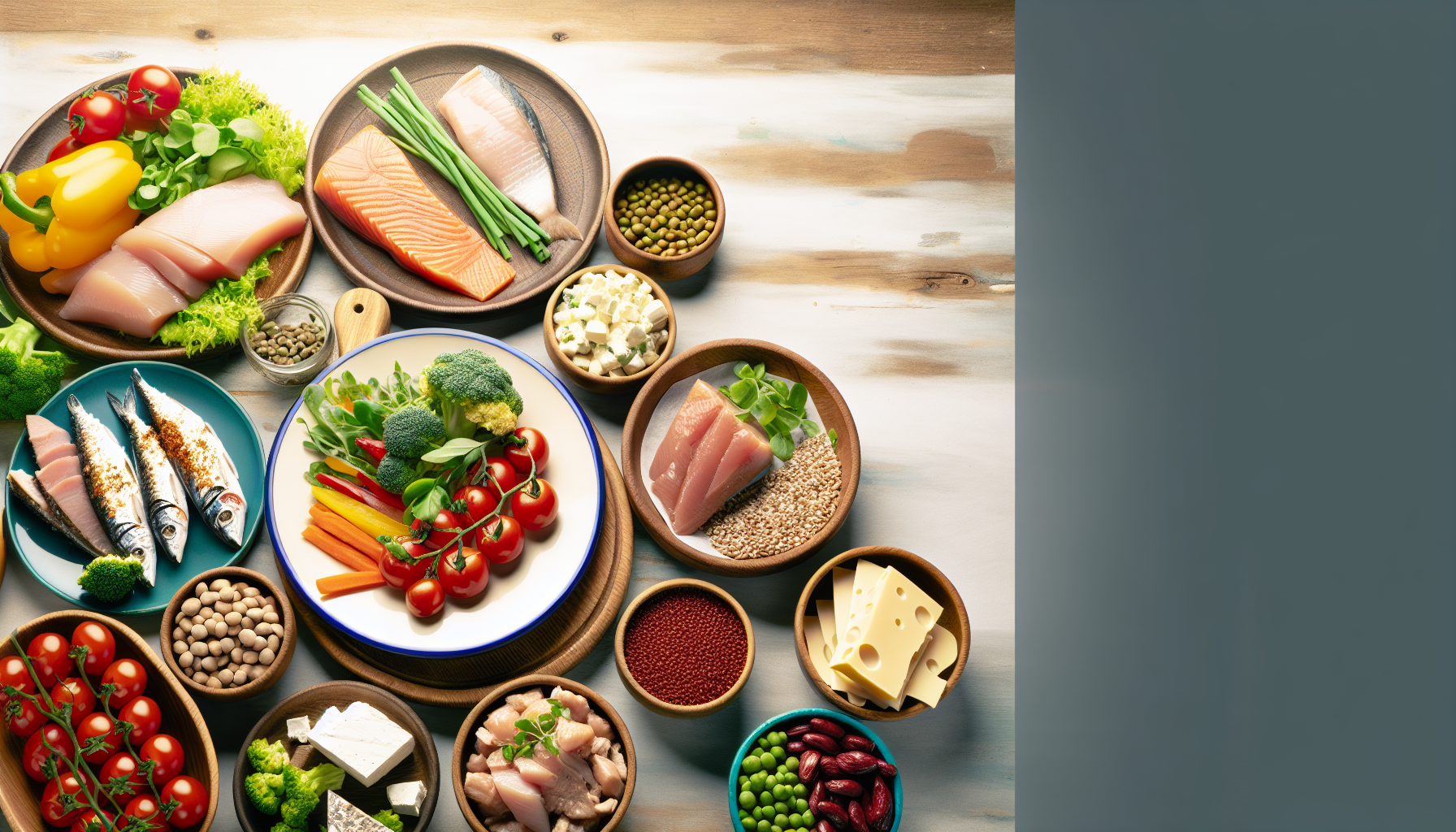
Going low-carb doesn’t mean you have to say goodbye to flavor, variety, or satisfaction. Many people worry that cutting carbs means endless plates of plain chicken and steamed broccoli, but the truth is far more exciting. With the right ingredients, techniques, and a bit of creativity, you can enjoy delicious, filling meals that leave you energized and completely satisfied.
Whether you’re following a ketogenic diet, managing your blood sugar, or simply looking to reduce your carb intake, this guide will show you how to create low-carb meals that taste so good, you won’t even miss the bread, pasta, or rice.
Understanding Why Low-Carb Meals Can Be So Satisfying
The secret to not feeling deprived on a low-carb diet lies in understanding what truly satisfies us. Carbohydrates provide quick energy, but they often leave us hungry again within hours. When you replace those carbs with healthy fats, quality proteins, and fiber-rich vegetables, you create meals that keep you fuller for longer.
Fat and protein trigger satiety hormones more effectively than simple carbohydrates, which means you’ll naturally feel more satisfied after eating. Plus, when you focus on nutrient-dense whole foods, you’re giving your body what it actually needs, not just empty calories that spike your blood sugar and leave you craving more.
Stock Your Kitchen with the Right Ingredients
The foundation of delicious low-carb cooking starts with having the right ingredients on hand. When your pantry and fridge are stocked with flavorful, versatile low-carb staples, throwing together a satisfying meal becomes effortless.
Essential Proteins
- Fatty fish like salmon, mackerel, and sardines provide omega-3s and rich flavor
- Grass-fed beef and lamb for hearty, satisfying meals
- Chicken thighs (more flavorful and forgiving than breasts)
- Pork in all forms, from chops to bacon to tenderloin
- Eggs for breakfast, lunch, dinner, or snacks
- Quality cheeses that add richness and depth
Flavor-Packed Fats
- Extra virgin olive oil for dressings and finishing
- Coconut oil for high-heat cooking with a hint of sweetness
- Butter and ghee for rich, satisfying flavor
- Avocado oil for neutral, high-heat applications
- Nuts and seeds for texture and healthy fats
Low-Carb Vegetables That Deliver
- Leafy greens like spinach, kale, arugula, and lettuce
- Cruciferous vegetables including broccoli, cauliflower, and Brussels sprouts
- Zucchini and summer squash for noodle replacements
- Bell peppers for color, crunch, and sweetness
- Mushrooms for umami depth and meaty texture
- Asparagus, green beans, and snap peas for variety
Master the Art of Flavor Without Carbs
One of the biggest misconceptions about low-carb eating is that it’s bland. The reality is that many of the most flavorful ingredients in the culinary world are naturally low in carbohydrates. Learning to layer these flavors is the key to meals you’ll crave.
Herbs and Spices Are Your Best Friends
Fresh herbs like basil, cilantro, parsley, rosemary, and thyme transform simple dishes into restaurant-quality meals. Spices such as cumin, paprika, turmeric, and coriander add warmth and complexity without adding carbs. Don’t be shy with seasoning—it’s often the difference between a meal you tolerate and one you genuinely enjoy.
Umami: The Secret Weapon
Umami, the savory fifth taste, makes food deeply satisfying. Incorporate umami-rich ingredients like:
- Parmesan cheese and aged hard cheeses
- Tomato paste and sun-dried tomatoes
- Mushrooms, especially dried porcini
- Anchovies and fish sauce
- Soy sauce or coconut aminos
- Bone broth as a cooking liquid
Acid Brightens Everything
A squeeze of lemon, a splash of vinegar, or a spoonful of fermented vegetables can completely transform a dish. Acid balances richness and makes flavors pop, ensuring your low-carb meals never taste heavy or one-dimensional.
Smart Carb Substitutions That Actually Work
You don’t have to give up your favorite meal formats—you just need to get creative with substitutions. The following swaps are so good, you might prefer them even if you weren’t avoiding carbs.
Cauliflower: The Ultimate Shape-Shifter
Cauliflower rice has become popular for good reason. Pulse raw cauliflower in a food processor, then sauté it with a little oil and seasoning. It absorbs sauces beautifully and provides the perfect base for stir-fries, curries, and burrito bowls. You can also mash it with butter and cream cheese for a convincing potato substitute, or roast it whole with spices for a stunning centerpiece.
Zucchini Noodles (Zoodles)
Spiralized zucchini makes an excellent pasta replacement. The key is not to overcook them—a quick sauté or even serving them raw with a hot sauce works best. Salt them first and let them drain for 10 minutes to remove excess moisture, then pat dry before cooking.
Lettuce Wraps and Cabbage Leaves
Large lettuce leaves or blanched cabbage leaves make perfect wraps for tacos, sandwiches, and Korean-style ssam. They add crunch and freshness while letting the filling shine. Butter lettuce, romaine, and iceberg all work wonderfully depending on your preference for structure versus tenderness.
Almond Flour and Coconut Flour
For baking and breading, almond flour and coconut flour open up countless possibilities. Almond flour works well for crusts, breading for chicken or fish, and baked goods. Coconut flour is highly absorbent, so you need much less of it, and it works beautifully in pancakes and muffins when combined with plenty of eggs.
Cheese Crisps and Pork Rinds
When you need crunch, baked cheese crisps or pork rinds can replace crackers and chips. Crushed pork rinds make an excellent breading for fried foods, while cheese crisps add texture to salads or work as scoops for dips.
Meal Ideas That Prove Low-Carb Can Be Exciting
Let’s move from theory to practice with specific meal ideas that deliver on taste, satisfaction, and nutrition.
Breakfast Options Beyond Eggs
While eggs are fantastic, variety keeps things interesting. Try chia seed pudding made with coconut milk and topped with berries and nuts, or full-fat Greek yogurt with a drizzle of almond butter and a sprinkle of cinnamon. Leftover dinner proteins work brilliantly for breakfast too—salmon with avocado, or last night’s steak with sautéed greens.
Satisfying Lunches
Build hearty salads with a base of mixed greens, topped with grilled chicken or salmon, avocado, nuts, cheese, and a creamy dressing made with olive oil and vinegar. Lettuce-wrapped burgers loaded with cheese, bacon, and special sauce deliver all the satisfaction of a traditional burger. Vegetable soups enriched with cream or coconut milk make warming, filling lunches.
Dinner Winners
Sheet pan dinners are your friend: try salmon with roasted broccoli and cherry tomatoes, or chicken thighs with Brussels sprouts and bacon. Stir-fries over cauliflower rice let you enjoy bold Asian flavors. Zucchini lasagna with layers of ricotta, meat sauce, and mozzarella satisfies Italian cravings. Slow-cooked pulled pork served over cabbage slaw brings barbecue joy without the bun.
Snacks and Treats
Fat bombs made from cream cheese, butter, and cocoa powder satisfy sweet cravings. Cheese and charcuterie plates provide variety and interest. Vegetables with full-fat dips like ranch or blue cheese dressing add crunch without carbs. A handful of macadamia nuts or pecans delivers satisfying fat and protein.
Cooking Techniques That Maximize Flavor
How you cook matters just as much as what you cook. These techniques ensure maximum flavor and satisfaction from your low-carb ingredients.
Embrace High-Heat Cooking
Roasting vegetables at high temperatures (425-450°F) caramelizes their natural sugars and creates crispy, flavorful results. The same goes for searing meat—don’t crowd the pan, and let a proper crust develop before flipping.
Use the Fat
Don’t fear cooking with generous amounts of fat. It carries flavor, prevents sticking, and contributes to satiety. Whether you’re roasting vegetables or searing a steak, use enough fat to do the job properly.
Layer Flavors
Build complexity by adding ingredients in stages. Sauté aromatics like garlic and onion first, add spices to bloom them in the fat, then add your proteins and vegetables. Finish with fresh herbs and a squeeze of citrus for brightness.
Don’t Forget Texture
Combine creamy with crunchy, soft with crispy. Top a rich soup with toasted nuts, add cheese crisps to a salad, or finish roasted vegetables with a sprinkle of toasted seeds. Textural contrast makes meals more interesting and satisfying.
Planning Ahead Prevents Decision Fatigue
The biggest challenge with any dietary change is the daily question of what to eat. Planning ahead eliminates this stress and ensures you always have delicious options available.
Dedicate an hour on the weekend to prep ingredients: wash and chop vegetables, cook a batch of protein, make a big salad, prepare hard-boiled eggs, and mix up a couple of dressings or sauces. When components are ready to go, throwing together a satisfying meal takes minutes rather than feeling like a project.
Keep a running list of your favorite low-carb meals and rotate through them. You don’t need endless variety—having ten solid recipes you love and can make without thinking is far better than constantly searching for new ideas.
Dining Out Without Derailing Your Goals
Eating low-carb doesn’t mean avoiding restaurants. Most establishments are happy to accommodate simple requests. Order protein and vegetables, ask for extra vegetables instead of potatoes or rice, request sauces on the side, and don’t hesitate to substitute a salad for fries. Bunless burgers, grilled fish with vegetables, steak with a side salad, and fajitas without the tortillas all work perfectly.
Listen to Your Body
Pay attention to how different foods make you feel. Some people thrive on higher fat intake, while others do better with moderate fat and more protein. Some need more vegetables to feel their best. There’s no single perfect low-carb approach—the best diet is the one you can maintain because it makes you feel good and satisfied.
If you’re genuinely hungry, eat. If certain low-carb foods don’t agree with you, find alternatives. The goal is sustainable eating that supports your health and happiness, not rigid adherence to arbitrary rules.
Conclusion
Cooking delicious low-carb meals without feeling deprived is absolutely achievable when you focus on quality ingredients, bold flavors, and smart substitutions. By stocking your kitchen with the right foods, mastering a few key techniques, and planning ahead, you’ll discover that low-carb eating can be just as varied, satisfying, and enjoyable as any other way of eating. The key is shifting your mindset from restriction to possibility—exploring all the incredible foods you can eat rather than fixating on what you’re avoiding. Start with a few recipes that excite you, build your confidence, and soon you’ll wonder why you ever thought low-carb meant deprivation.

Leave a Reply