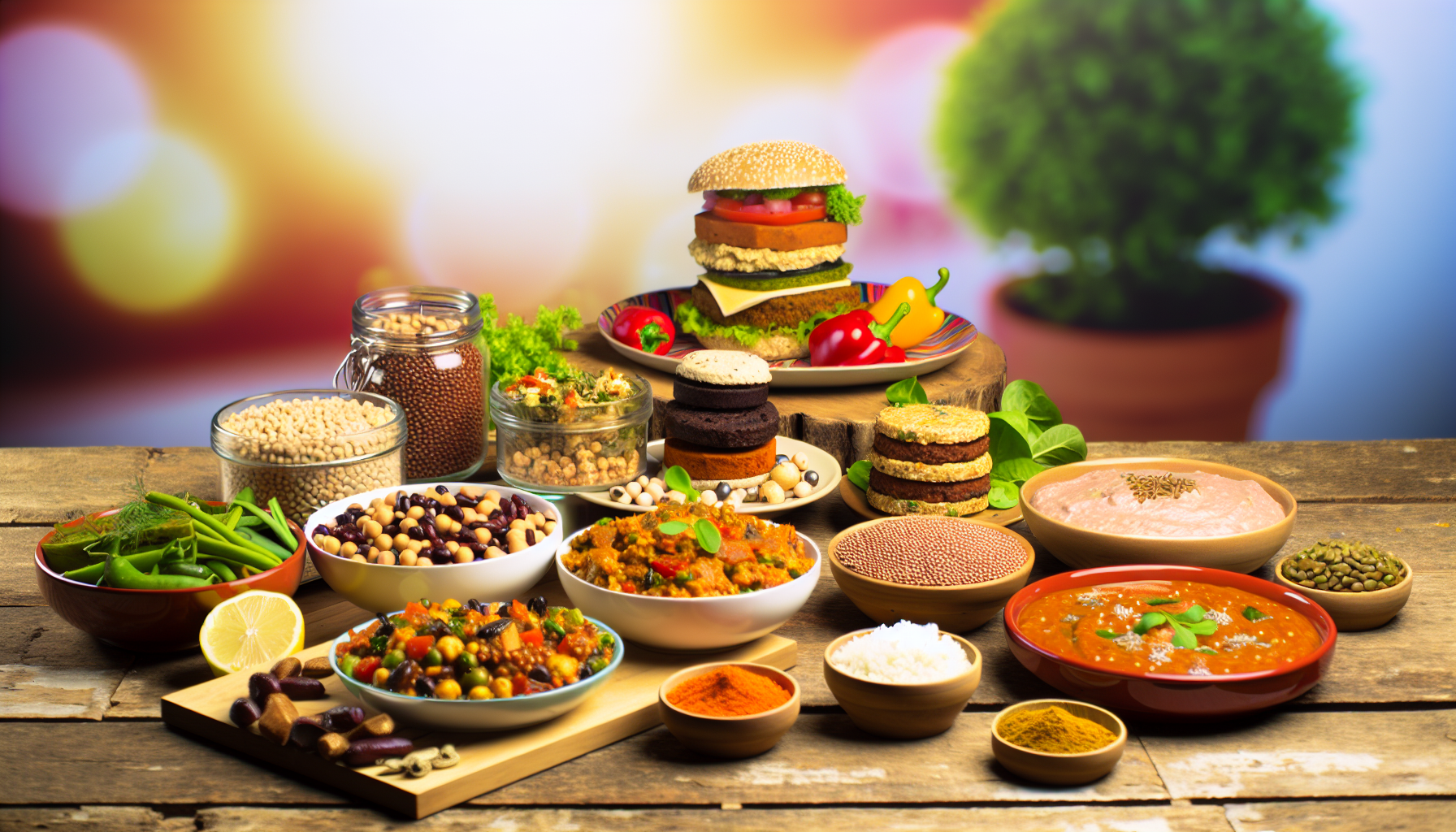
Finding high-protein vegetarian meals that don’t taste like cardboard or require exotic ingredients can feel like searching for a unicorn. The good news? Protein-packed vegetarian dishes can be just as satisfying, flavorful, and crave-worthy as any meat-based meal when you know the right combinations and techniques.
Whether you’re a committed vegetarian, trying Meatless Mondays, or simply looking to add more plant-based variety to your diet, these recipes prove that hitting your protein goals doesn’t mean sacrificing taste. Let’s dive into dishes that deliver both nutrition and serious flavor.
Why High-Protein Vegetarian Meals Matter
Protein is essential for muscle repair, immune function, and keeping you satisfied between meals. While meat gets all the glory in the protein department, plant-based sources can be equally effective when combined thoughtfully. The key is understanding which vegetarian ingredients pack the biggest protein punch and how to make them shine.
Most adults need roughly 0.8 grams of protein per kilogram of body weight daily, though active individuals may need more. Fortunately, combining ingredients like legumes, quinoa, tofu, tempeh, eggs, Greek yogurt, and nuts creates complete protein profiles while adding incredible texture and flavor to your meals.
Crispy Baked Tofu Bowl with Peanut Sauce
This bowl transforms humble tofu into a crispy, golden protein powerhouse that even tofu skeptics will love. The secret is pressing the tofu to remove excess moisture and baking it at high heat until the edges turn delightfully crunchy.
What Makes It Amazing
- Protein content: approximately 25-30 grams per serving from tofu alone
- Texture contrast: crispy tofu against fluffy quinoa and fresh vegetables
- Flavor bomb: the peanut sauce brings nutty, sweet, and savory notes together
- Meal prep friendly: components keep well for 3-4 days refrigerated
Press extra-firm tofu for 15 minutes, cube it, toss with cornstarch and your favorite spices, then bake at 425°F for 25-30 minutes, flipping halfway. Serve over quinoa with edamame, shredded cabbage, and a sauce made from peanut butter, soy sauce, lime juice, maple syrup, and ginger. The result is restaurant-quality flavor with minimal effort.
Black Bean and Sweet Potato Enchiladas
These enchiladas prove that comfort food and high protein can coexist beautifully. Black beans deliver about 15 grams of protein per cup, while the sweet potato adds natural sweetness and creamy texture that balances the spice perfectly.
Building Layers of Flavor
The magic happens when you roast cubed sweet potatoes with cumin and smoked paprika until caramelized, then mix them with seasoned black beans, corn, and diced green chiles. Roll this filling in whole wheat tortillas, top with enchilada sauce and cheese, and bake until bubbly. The combination creates a satisfying meal that tastes indulgent while delivering serious nutrition.
Top with Greek yogurt instead of sour cream to add an extra 5-7 grams of protein per serving. Fresh cilantro, lime wedges, and sliced avocado complete this crowd-pleasing dish that works equally well for weeknight dinners or entertaining.
Lentil Bolognese with Whole Wheat Pasta
This plant-based take on the Italian classic proves that you don’t need meat for rich, hearty sauce. Brown or green lentils mimic the texture of ground meat surprisingly well while providing about 18 grams of protein per cooked cup.
The Technique That Makes It Work
Sauté diced onions, carrots, and celery in olive oil until softened. Add minced garlic, tomato paste, and let it caramelize slightly before adding cooked lentils, crushed tomatoes, red wine, and Italian herbs. The key is simmering the sauce for at least 30 minutes so the flavors meld and the lentils absorb the rich tomato base.
Serve over whole wheat pasta for additional protein and fiber, and don’t skimp on the freshly grated Parmesan. The umami from the cheese ties everything together and makes this dish taste remarkably close to traditional Bolognese. Leftovers actually taste better the next day as the flavors continue to develop.
Chickpea Shakshuka with Feta
This Middle Eastern-inspired dish combines protein from both chickpeas and eggs, creating a breakfast or brunch option that delivers around 20-25 grams of protein per serving. The combination is not only nutritious but visually stunning with eggs nestled in a vibrant red sauce.
Start by sautéing onions and bell peppers, then add garlic, cumin, paprika, and a pinch of cayenne. Stir in crushed tomatoes and cooked chickpeas, creating wells in the sauce for cracking in eggs. Cover and simmer until the egg whites set but yolks remain runny. Crumble feta on top and garnish with fresh parsley and a drizzle of olive oil.
Serve with crusty whole grain bread for scooping, and you have a meal that works any time of day. The runny yolks mix with the spiced tomato sauce to create a luscious combination that’s pure comfort food.
Thai Peanut Tempeh Stir-Fry
Tempeh often gets overlooked, but it deserves serious attention. With about 20 grams of protein per cup, this fermented soy product has a firmer texture than tofu and a slightly nutty flavor that stands up beautifully to bold sauces.
Preparing Tempeh Properly
Many people struggle with tempeh’s slightly bitter edge. The solution is simple: steam it for 10 minutes before cooking. This removes the bitterness and helps it absorb marinades better. Cube the steamed tempeh, marinate it briefly in soy sauce and rice vinegar, then pan-fry until golden and crispy.
Toss the crispy tempeh with stir-fried vegetables like broccoli, snap peas, bell peppers, and carrots. Coat everything in a sauce made from peanut butter, soy sauce, sesame oil, garlic, ginger, and a touch of sriracha. Serve over brown rice or rice noodles for a takeout-quality meal that comes together in under 30 minutes.
Quinoa-Stuffed Bell Peppers
Stuffed peppers are a classic for good reason, and this quinoa version brings both complete protein and gorgeous presentation. Quinoa contains all nine essential amino acids, making it one of the few plant-based complete proteins, with about 8 grams per cooked cup.
Mix cooked quinoa with black beans, corn, diced tomatoes, cumin, chili powder, and shredded cheese. Stuff this mixture into halved bell peppers and bake until the peppers are tender and the filling is heated through. Top with fresh cilantro, diced avocado, and a squeeze of lime.
The beauty of this recipe is its flexibility. Swap black beans for pinto or kidney beans, add diced jalapeños for heat, or stir in some spinach for extra nutrients. Each pepper becomes a self-contained meal that’s perfect for portion control and meal prep.
Greek Yogurt Protein Pancakes
Who says high-protein recipes are only for lunch and dinner? These pancakes pack about 15-20 grams of protein per serving while tasting like a weekend treat rather than a protein supplement.
The Simple Formula
Blend together Greek yogurt, eggs, oats, a touch of honey, baking powder, and vanilla extract. The Greek yogurt creates incredibly fluffy pancakes while boosting protein content significantly. Cook them on a griddle just like traditional pancakes, flipping when bubbles form on the surface.
Top with fresh berries, a drizzle of pure maple syrup, and a sprinkle of chopped nuts for additional protein and healthy fats. These pancakes prove that hitting your protein goals doesn’t mean sacrificing the foods you love. They also freeze beautifully, making them ideal for quick weekday breakfasts.
Spicy Peanut and Edamame Noodle Salad
This cold noodle salad works equally well as a light dinner or a packed lunch. Edamame provides about 17 grams of protein per cup, while peanut butter in the dressing adds even more, creating a meal that keeps you satisfied for hours.
Cook whole wheat spaghetti or soba noodles according to package directions, then toss with shelled edamame, shredded carrots, thinly sliced cucumber, and chopped scallions. The dressing combines peanut butter, soy sauce, rice vinegar, sesame oil, honey, fresh ginger, and red pepper flakes for a balance of creamy, tangy, and spicy flavors.
This salad actually improves after sitting for an hour as the noodles absorb the dressing. Garnish with chopped peanuts and fresh cilantro for texture and brightness. It’s proof that cold noodle dishes can be just as satisfying as hot meals.
White Bean and Kale Soup
Sometimes you need comfort in a bowl, and this hearty soup delivers both warmth and nutrition. White beans provide about 15 grams of protein per cup while creating a creamy base without any dairy.
Sauté diced onion, carrots, and celery until softened, add garlic and red pepper flakes, then stir in vegetable broth, white beans, and chopped kale. A Parmesan rind simmered in the soup adds incredible umami depth. Season with fresh lemon juice before serving to brighten all the flavors.
Serve with crusty bread for dipping, and you have a meal that feels like a warm hug. The soup thickens as it sits, making leftovers even better. A final drizzle of good olive oil and freshly grated Parmesan elevates this simple soup to something special.
Tips for Maximizing Protein and Flavor
Creating high-protein vegetarian meals that taste amazing comes down to a few key strategies that work across different recipes:
- Layer your proteins: combine different sources like beans plus quinoa or tempeh plus nuts for complete amino acid profiles and interesting textures
- Don’t fear fat: healthy fats from nuts, seeds, avocado, and olive oil carry flavor and help you absorb nutrients better
- Season aggressively: plant-based proteins are blank canvases that shine with bold spices, fresh herbs, and aromatic ingredients like garlic and ginger
- Focus on texture: create contrast with crispy elements, creamy components, and fresh crunch to keep every bite interesting
- Use umami boosters: ingredients like soy sauce, miso, nutritional yeast, mushrooms, and Parmesan add savory depth that makes dishes more satisfying
- Toast your nuts and seeds: this simple step intensifies flavor dramatically and makes them more fragrant
Making High-Protein Vegetarian Cooking Part of Your Routine
The key to consistently eating well is making it convenient. Batch cook staples like quinoa, brown rice, and dried beans on weekends. Keep your pantry stocked with canned beans, lentils, and whole grains for quick meals. Prep vegetables in advance so they’re ready to toss into stir-fries or salads.
Invest in a few versatile sauces and dressings that transform simple ingredients into exciting meals. A good peanut sauce, tahini dressing, and chimichurri can completely change the character of basic proteins and vegetables. Most sauces keep for a week in the refrigerator, making multiple meals easier throughout the week.
Conclusion
High-protein vegetarian eating doesn’t require sacrifice or settling for bland meals. With the right ingredients, techniques, and flavor combinations, plant-based proteins can be the stars of dishes you’ll genuinely crave. These recipes prove that meeting your nutritional needs and enjoying delicious food aren’t mutually exclusive goals. Start with one or two recipes that appeal to you, master them, then expand your repertoire. Your taste buds and your body will thank you.

Leave a Reply