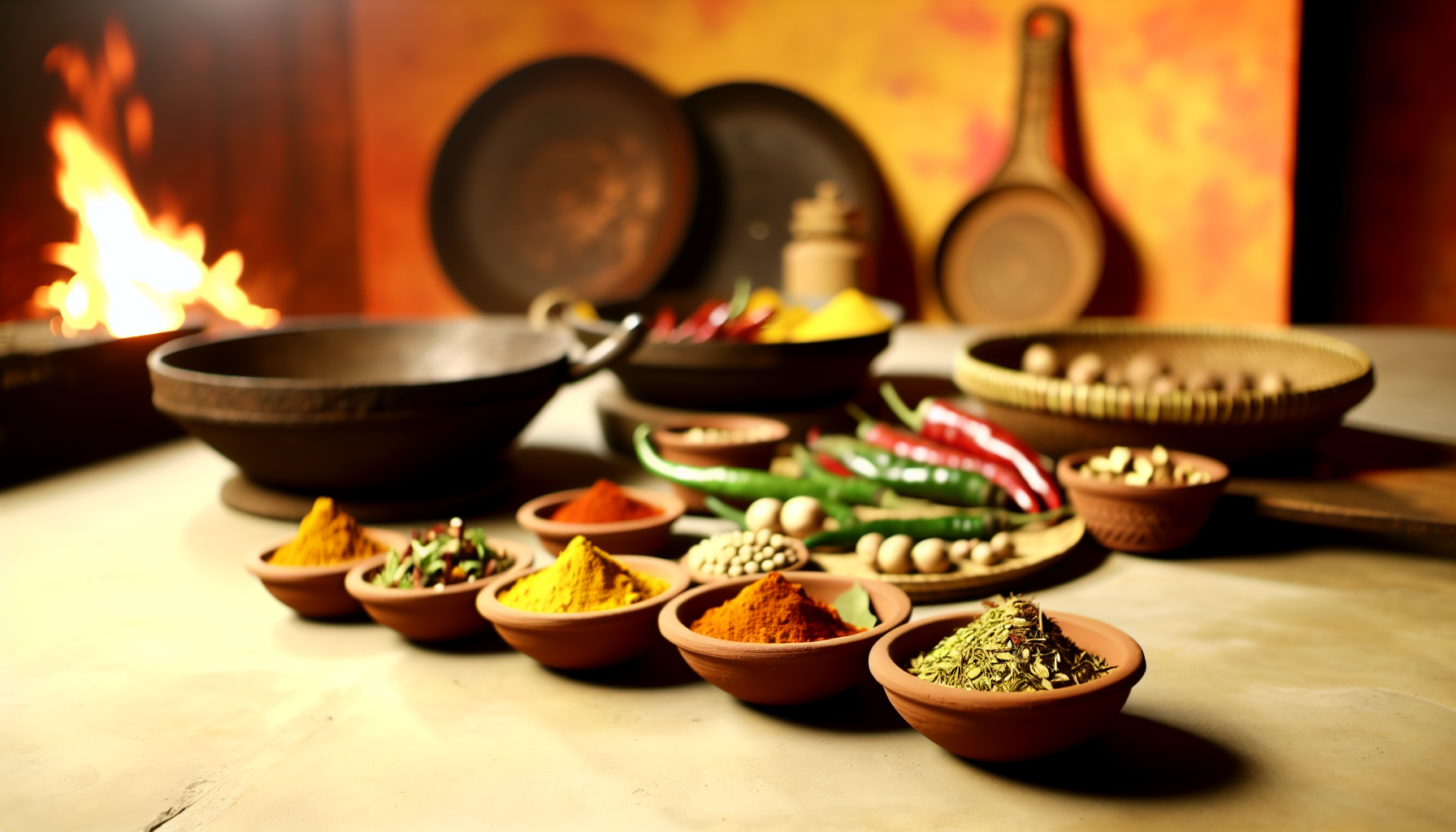
Indian cuisine has captivated food lovers worldwide, not just for its bold flavors but for the masterful way spices transform simple ingredients into extraordinary dishes. The secret isn’t in using more spices—it’s in understanding how to use them right. Whether you’re a beginner intimidated by your spice cabinet or a home cook looking to deepen your flavor game, Indian kitchens offer timeless lessons that can elevate any meal.
Let’s explore the techniques, principles, and practical wisdom that make Indian cooking so aromatic, flavorful, and surprisingly accessible for everyday cooking.
Why Indian Kitchens Are Spice Laboratories
In Indian cooking, spices aren’t just seasonings—they’re the foundation of flavor. Each spice brings its own personality: warmth, heat, earthiness, or brightness. The magic happens when these ingredients work together in harmony, creating layers of taste that develop and deepen as a dish cooks.
Unlike Western cooking, where salt and pepper often take center stage, Indian cuisine treats spices as essential building blocks. A single dish might use six to ten different spices, each added at a specific moment to maximize its contribution. This deliberate approach turns cooking into both art and science.
The Essential Spices Every Kitchen Needs
You don’t need fifty jars to cook great Indian food. Start with these foundational spices that appear across countless recipes:
- Cumin seeds (jeera): Earthy and warm, perfect for tempering and ground spice mixes
- Coriander seeds (dhania): Mild, slightly citrusy, and essential for curry powders
- Turmeric (haldi): Golden color and subtle earthiness with anti-inflammatory benefits
- Red chili powder: Provides heat; adjust quantity to your preference
- Garam masala: A warming blend typically added at the end of cooking
- Mustard seeds (rai/sarson): Nutty when fried, common in South Indian cooking
- Cardamom (elaichi): Sweet and aromatic, used in both savory and sweet dishes
These seven spices will carry you through most Indian recipes. As you grow comfortable, add fenugreek, asafoetida, fennel, and black pepper to expand your repertoire.
Lesson One: Toast Before You Grind
One of the most important techniques in Indian cooking is dry-roasting whole spices before grinding them. This simple step unlocks essential oils and intensifies flavors dramatically.
Heat a dry skillet over medium heat and add whole spices like cumin, coriander, or cardamom. Shake the pan frequently and toast until fragrant—usually one to three minutes. You’ll smell the difference immediately. Let them cool, then grind in a spice grinder or mortar and pestle.
Freshly toasted and ground spices taste nothing like the pre-ground versions that have been sitting on shelves for months. The difference is like comparing fresh-squeezed orange juice to concentrate.
Lesson Two: Tempering—The Secret to Flavor Depth
Tempering, or tadka, is a technique where whole spices are briefly fried in hot oil or ghee to release their flavors. This fragrant oil then becomes the flavor base for the entire dish.
The process is simple but requires attention. Heat oil or ghee in a pan until shimmering. Add whole spices like cumin seeds, mustard seeds, or curry leaves. They should sizzle immediately. Within seconds, the oil becomes infused with deep, complex flavors.
Tempering can happen at the beginning of cooking (for dishes like dal or curry) or at the end (poured over a finished dish for a flavor boost). This technique teaches an important principle: fat carries flavor. The spices need that hot oil to bloom properly.
Common Tempering Combinations
- Cumin seeds + dried red chilies + curry leaves (for dal)
- Mustard seeds + curry leaves + asafoetida (for South Indian dishes)
- Cumin seeds + garlic + ginger (for North Indian curries)
Lesson Three: Layer Your Spices
Indian cooks rarely dump all spices into a pot at once. Instead, they add them in stages, building flavor progressively. This layering creates complexity that single-stage seasoning simply cannot achieve.
Start with whole spices during tempering. Next, add ground spices after onions, ginger, and garlic have cooked down—this prevents burning while allowing flavors to meld. Finish with fresh herbs or garam masala in the final minutes to preserve their brightness.
Think of it like constructing a building. The foundation goes first, then the walls, then the finishing touches. Each layer serves a purpose and contributes to the structural integrity of flavor.
Lesson Four: Balance Heat, Warmth, and Brightness
Great Indian dishes balance three flavor profiles: heat (chili), warmth (cumin, coriander, cinnamon), and brightness (citrus, tomato, amchur).
Too much heat without warmth creates one-dimensional spiciness. Too much warmth without brightness feels heavy and dull. The best dishes dance between these elements.
For example, a classic chicken curry might use red chili powder for heat, cumin and coriander for warmth, and tomatoes plus a squeeze of lemon for brightness. Each component checks the others, creating balance rather than competition.
Lesson Five: Respect Cooking Times
Not all spices handle heat the same way. Some need long, slow cooking to mellow and develop; others turn bitter if cooked too long.
Ground turmeric, coriander, and cumin benefit from at least five to ten minutes of cooking after addition. This “cooks out” any raw, harsh flavors. Meanwhile, garam masala and fresh herbs should be added in the last few minutes to preserve their aromatic qualities.
If a dish tastes raw or muddy, you likely haven’t cooked the ground spices long enough. If it tastes bitter, you may have burned them or added delicate spices too early. Timing matters as much as the spices themselves.
Lesson Six: Make Friends with Ginger and Garlic
While technically not spices, fresh ginger and garlic are the backbone of countless Indian dishes. They’re almost always used together, creating a pungent, aromatic base that supports the spices.
Many Indian cooks keep a jar of ginger-garlic paste in the refrigerator for quick use. To make your own, blend equal parts fresh ginger and garlic with a splash of oil until smooth. It keeps for weeks and saves significant prep time.
Add ginger-garlic paste after tempering whole spices and cooking onions. Fry it for a minute or two until the raw smell disappears and it turns golden—this step is crucial for developing proper flavor.
Lesson Seven: Don’t Fear Fat
Indian cooking traditionally uses generous amounts of ghee or oil, and there’s good reason for this. Fat is the vehicle that carries fat-soluble flavor compounds from spices throughout the dish.
You don’t need to use excessive amounts, but skimping on fat will result in flat, underdeveloped flavors. Two to three tablespoons of ghee or oil for a curry serving four to six people is standard and creates the rich, coating sensation that makes Indian food so satisfying.
Ghee, in particular, adds a nutty richness that regular oil cannot match. If you’re watching calories, use less oil but don’t eliminate it entirely—you’ll compromise the dish.
Practical Applications: Putting Lessons into Action
Let’s apply these principles to a simple recipe: a quick chickpea curry you can make tonight.
Simple Spiced Chickpea Curry
- Heat two tablespoons ghee or oil in a pan. Add one teaspoon cumin seeds and let them sizzle.
- Add one diced onion and cook until golden brown, about six to eight minutes.
- Stir in one tablespoon ginger-garlic paste and cook for one minute.
- Add one diced tomato, one teaspoon ground coriander, half teaspoon turmeric, half teaspoon red chili powder, and salt to taste. Cook for five minutes until tomatoes break down.
- Add two cans of drained chickpeas and half cup water. Simmer for ten minutes.
- Finish with half teaspoon garam masala and fresh cilantro. Squeeze in lemon juice.
Notice how each spice is added at a specific stage: whole cumin first for tempering, ground spices after aromatics, garam masala at the end. This follows the layering principle perfectly.
Storage and Freshness Matter
Even the best techniques can’t save stale spices. Whole spices stay fresh for about a year when stored properly; ground spices lose potency after six months.
Store spices in airtight containers away from heat, light, and moisture. Glass jars in a cool, dark cupboard work perfectly. Avoid storing them above the stove where heat and steam accelerate degradation.
When shopping, buy from stores with high turnover or specialty spice shops where products move quickly. Better yet, buy whole spices and grind them yourself as needed—the flavor difference is remarkable.
Beyond Indian Food: Universal Spice Wisdom
The lessons from Indian kitchens apply far beyond curry and dal. The principle of tempering works beautifully in pasta dishes—try blooming red pepper flakes in olive oil before adding garlic for your next aglio e olio. Layering spices improves chili, stews, and braises of any cuisine.
Toasting and grinding your own spice blends elevates taco seasoning, barbecue rubs, and marinades. The techniques are universal; only the specific spices change.
Once you understand how spices behave—how heat activates them, how fat carries them, how timing affects them—you can cook more intuitively across all cuisines.
Common Mistakes to Avoid
Even with good intentions, certain pitfalls can sabotage your spice cooking:
- Adding ground spices to very hot oil: They’ll burn instantly. Add them after onions or other vegetables have released moisture and lowered the temperature.
- Using old, stale spices: No amount of technique can revive dead flavors. Refresh your collection regularly.
- Skipping the blooming step: Spices need heat to release their essential oils. Don’t add them directly to liquids without activating them first.
- Measuring with your heart instead of your head: While experienced cooks can eyeball amounts, beginners should measure until they develop intuition.
- Being timid: Spices should be noticeable. Don’t be afraid to use enough to actually taste them.
Conclusion
Indian kitchens have perfected spice cooking over centuries, developing techniques that maximize flavor while maintaining balance and complexity. By adopting these practices—toasting spices, layering them thoughtfully, respecting cooking times, and understanding how they interact with heat and fat—you can transform your everyday cooking. Start with a few essential spices, practice the fundamental techniques, and let your confidence grow with each dish. The vibrant, aromatic results will speak for themselves.

Leave a Reply